
3 entities commit to mitigate spread of mosquito-borne diseases during COVID-19

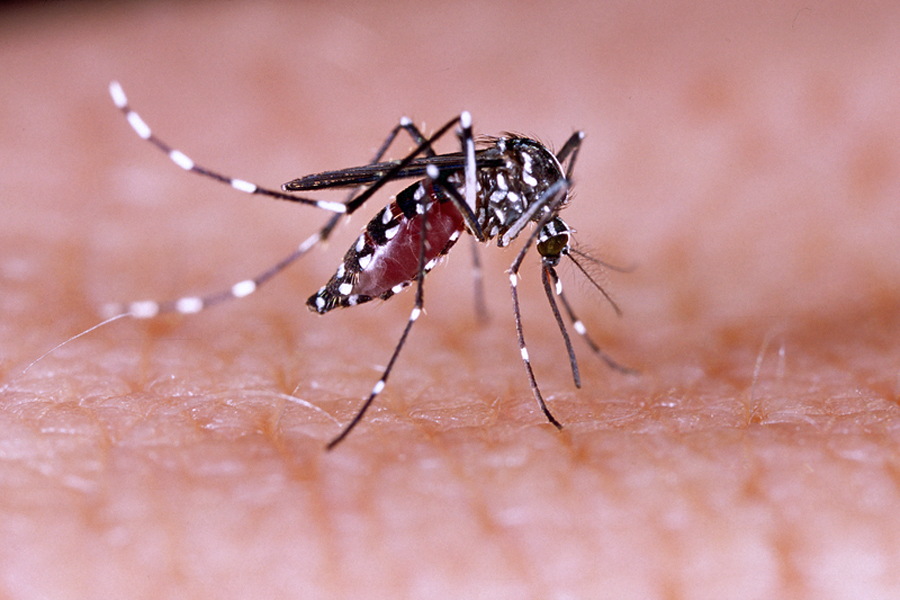
The Communities Organized for the Prevention of Arboviruses, or the COPA project, is actively pursuing its efforts to organize and mobilize communities in 38 areas of Ponce to identify, prevent, and control mosquito-borne diseases, mainly dengue, during the COVID-19 crisis, organizers said.
Although COVID-19 is a respiratory illness that is not spread by mosquitoes, mosquito-borne diseases like dengue are still a threat during the pandemic that could increase the demand for healthcare services.
As part of its mission, COPA — a collaboration among Ponce Health Sciences University (PHSU), the Puerto Rico Vector Control Unit (the Unit) and the Centers for Disease Control and Prevention (CDC) – empowers communities to contribute to the control of mosquitoes and the viruses they spread.
“With the COPA project, we visit thousands of homes each year to obtain detailed information about their conditions, health problems, and mosquito protection measures they take,” said Vanessa Rivera-Amill, chief investigator of the COPA Project, PHSU.
“We also get blood samples that let us know if there have been infections, even when people have not had symptoms,” she said.
“COPA is a project planned to continue for several years, and we’re committed to working together with the communities in Ponce to prevent dengue,” she said, encouraging people to visit its Facebook page, @ProyectoCOPA, for more information.
Since it was established in 2017 and as part of the COPA Project, the Unit has placed mosquito traps to collect detailed information about Aedes aegypti mosquitoes in communities.
Every year, COPA staff visits participant’s homes to collect blood samples, to check for dengue, chikungunya, or Zika, and to invite them to take part in the fight against these diseases.
“The Unit has been consistently communicating that the Aedes aegypti mosquito is an urban mosquito that breeds around our homes,” said Marianyoly Ortiz, associate director of the Unit.
“We’re on alert regarding the current public health situation that keeps us in our homes where we are more exposed to bites from the Aedes aegypti mosquito and to possible infection with a virus spread by this vector,” Ortiz said.
“We’re especially concerned about high-risk sectors, such as Ponce and neighboring towns. These areas have high numbers of mosquitoes and are still recovering from the earthquakes at the beginning of the year,” she added. “The Unit remains firm in its commitment to guide and educate people to adopt best practices to reduce breeding sites and infections.”
Gabriela Paz-Bailey, epidemiology team leader of the CDC’s dengue division, said “dengue is a disease that can fill hospitals during an outbreak. There are no medicines to treat dengue and vaccines are not yet available for use in Puerto Rico.”
“The information collected through the COPA project will help us better understand mosquito-borne diseases and how to best to control mosquitoes, as well as inform people on how they can protect themselves,” she said.
COPA’s efforts help professionals determine when and where activities to control mosquito populations are needed before people start to get sick.


