
A layperson’s perspective: The dollar’s double game

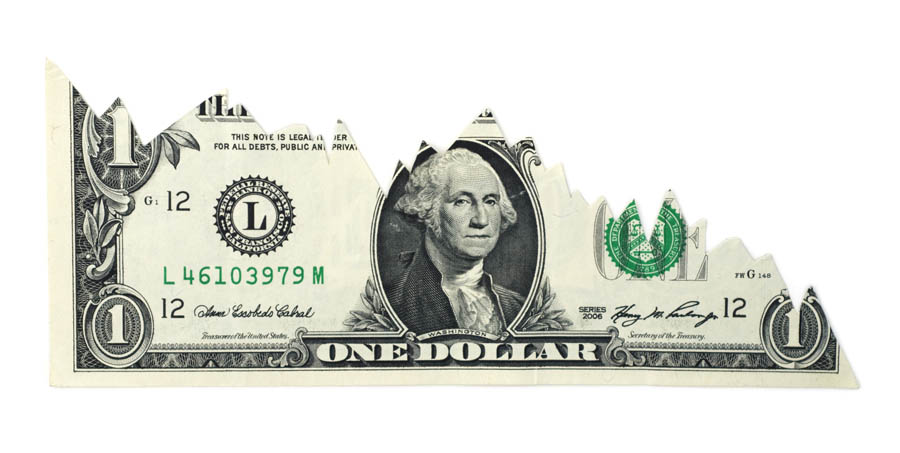
In 2021, I cautioned in this publication that short-term political maneuvering around monetary policy could carry long-term consequences. At that time, much of the discourse centered on fiscal stimulus, pandemic recovery and debt ceilings. Fast forward to today, and the conversation has shifted — but the risks have only deepened.
What few Puerto Rico and U.S. media outlets or pundits are paying close attention to is a troubling reality: the lingering intentions of the Trump administration’s economic framework to devalue the U.S. dollar while simultaneously trying to preserve its status as the world’s reserve currency. This contradiction could ignite both inflationary and hyperinflationary pressures, with profound consequences for global markets and everyday households.
Devaluation is often painted as a tool of last resort, one that emerging economies reluctantly use to stimulate exports or reduce unsustainable debt. But in the U.S. context, the strategic weakening of the dollar carries geopolitical undertones.
The Trump-era vision — largely ignored or underestimated — hinted at a recalibration of the dollar’s role in the world economy: making U.S. exports more competitive while still enjoying the privileges of reserve currency status. On paper, that seems like a clever balancing act. In practice, it risks creating an unsustainable contradiction.
The inflationary potential is obvious. A cheaper dollar raises the cost of imports, fueling higher consumer prices at home. But the hyperinflationary danger lies in credibility: if global markets start doubting the U.S.’s ability — or willingness — to maintain the dollar’s value, faith in its reserve status could erode.
That erosion doesn’t happen overnight, but once it begins, it accelerates. Investors will look to hedge in other assets — gold, cryptocurrencies or rival currencies. Foreign governments will reduce their dollar reserves. The result could be a cascading effect where domestic inflation morphs into uncontrollable hyperinflation.
Instead of grappling with these dynamics, much of Puerto Rico’s commentary remains focused on day-to-day politics, culture wars and personality-driven narratives. The quieter structural risks — currency policy, fiscal credibility and global reserve status — rarely make headlines.
This silence creates complacency. Citizens, businesses and even policymakers can find themselves blindsided when the pressure finally erupts into a financial crisis.
The U.S. dollar is both a national currency and a global pillar. Trying to cheapen it while expecting the world to continue trusting it is like playing with fire in a dry forest. It may burn slowly at first, but when it ignites, the flames will be nearly impossible to control.
With the Genius Act forthcoming, it would not be outlandish to expect such a potential crisis to be near. Nor should we dismiss Russian allegations that the U.S. is trying to swap $37 trillion using cryptocurrency.
The U.S. cannot afford to gamble with its most valuable strategic asset: the credibility of its currency. But in Puerto Rico, we have bigger fish to fry. Really?!
But then again, I am just a layperson.

Author Jeffrey Quiñones-Díaz is a partner at The Consulting Lead LLC and a public affairs and policy consultant.


