Bad Bunny panel highlights cultural impact at NCA event

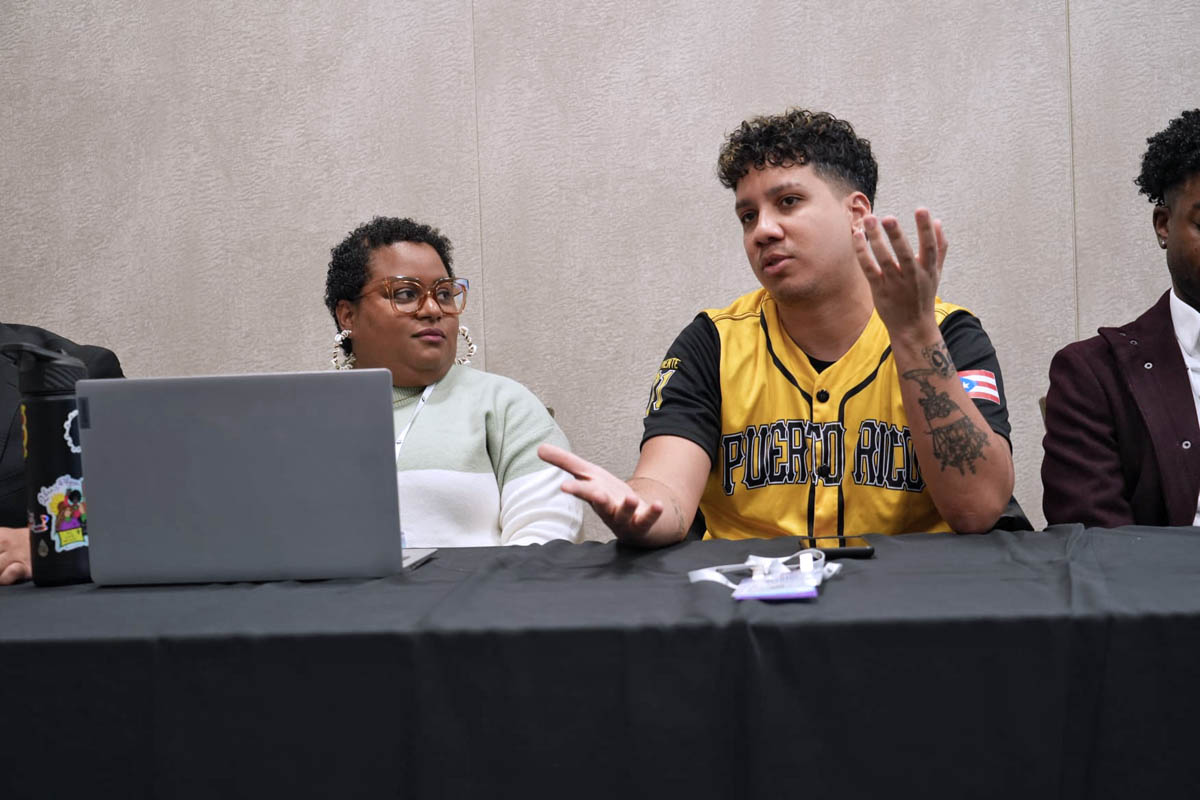
Puerto Rican cultural analysis took center stage at the National Communication Association’s 111th annual convention in Denver, where a multidisciplinary panel examined the political, social and identity-driven dimensions of Bad Bunny’s newest album, “Debí tirar más fotos (DTmF).”
According to the institution, the session surpassed one of the conference’s most competitive review processes and brought together voices from journalism, law, academia, environmental studies and cultural criticism.
The panel explored how the album functions as a record of resistance in a Puerto Rico shaped by economic uncertainty, displacement and ongoing colonial tensions.
Presenters discussed themes involving race, gender, migration, environmental risk and the complexities of the diaspora’s relationship with cultural identity.
Journalist and Howard University doctoral student Lillian Enid Agosto-Maldonado analyzed social media discourse, noting that “the album’s reception among the diaspora offers a powerful lens for examining cultural identity and the sense of belonging.”
Researcher Nildy Mary Chapman-Sánchez examined the artist’s symbolic language, pointing to Bad Bunny’s use of jíbaro imagery, the rural farmworker figure, and the pava, the traditional straw hat associated with that identity, along with traditional rhythms to construct an identity that resonates locally and internationally.
She noted that the album encourages audiences to “leave a trace” through photos, videos and texts documenting Puerto Ricanness.
Legal professional and academic Rafelli González-Cotto framed Bad Bunny as a modern chronicler, arguing, “He is a chronicler of Puerto Rico’s present, an archivist of resistance and a narrator who refuses to let the island disappear after the storm, the blackout or the colonial shadow.”
Environmental specialist Lilliana Alemán discussed the album’s metaphors of climate vulnerability and gentrification, while columnist Ínaru de la Fuente-Díaz highlighted the work’s role in allowing queer listeners to reclaim cultural belonging.
Political analyst Alberto Medina emphasized Bad Bunny’s influence within independence-leaning youth movements, calling colonialism “one of the gravest injustices” still missing from national discourse.