

Report reveals land access challenges for small farmers in Puerto Rico
16 de mayo de 2024
A FiTiCAS study highlights systemic barriers and suggests comprehensive reform. #NewsismyBusiness
burbuja de chat0 Comentarios
visibilidad2886 Views

IEEFA: P.R. energy bill is ‘limp gesture’ toward true reform
octubre 29, 2018
The proposal is consistent with the Puerto Rico Electric Power Authority’s fiscal plan, which reduces the fossil fuel budget by $400 million to $500 million per year to bring the utility out of bankruptcy.
burbuja de chat0 Comentarios
visibilidad1625 Views
New tax model for P.R. seeks to spur employment, economic development
abril 16, 2018
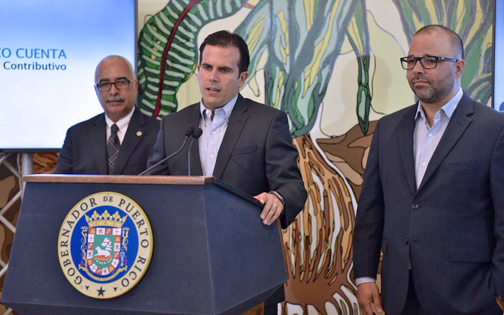
Puerto Rico Gov. Ricardo Rosselló submitted his vision for a new tax model to the island’s Legislative Assembly aimed at encouraging work and create economic development through changes to the Internal Revenue Code.
burbuja de chat1 comentario
visibilidad2387 Views
La PRMA ofrece sugerencias sobre la reforma fiscal anunciada
27 de marzo de 2018
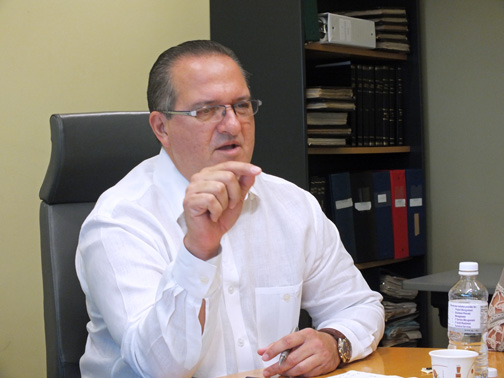
La reforma fiscal recientemente anunciada debería incluir medidas para fomentar las empresas financiadas localmente y contener disposiciones destinadas a crear condiciones equitativas para las empresas locales, en particular las pequeñas y medianas empresas, afirmó Rodrigo Masses, presidente de la Asociación de Fabricantes de Puerto Rico.
burbuja de chat0 Comentarios
visibilidad1684 visitas

PR Taskforce members call on Republicans to extend tax provisions for island
noviembre 16, 2017
With ongoing negotiations over tax reform, Members of the Congressional Hispanic Caucus Puerto Rico Taskforce sent a letter to Republican leaders in Congress urging the inclusion of tax provisions that will help rebuild Puerto Rico.
burbuja de chat0 Comentarios
visibilidad1909 visitas
Lawmaker pushes to ‘re-reform’ P.R. tax structure
marzo 9, 2016
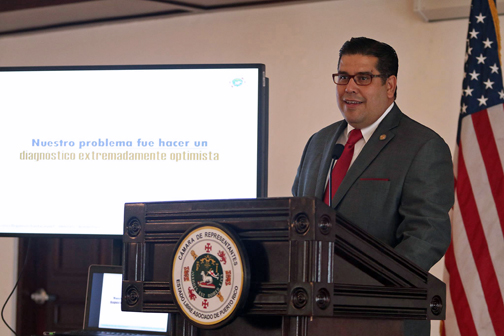
House Finance Committee Chair Rafael “Tatito” Hernández proposed Tuesday the full elimination of the value-added tax slated to go into effect on June 1, while unveiling a package of measures that would essentially “re-reform” Puerto Rico’s tax structure to provide balance.
burbuja de chat0 Comentarios
visibilidad3530 Views

Senate OKs comprehensive energy subsidies reform
junio 9, 2015
The Senate approved Monday Bill 1256, which proposes overhauling energy subsidies and obliges the government to pay its debts to the Puerto Rico Electric Power Authority.
burbuja de chat0 Comentarios
visibilidad5050 Views
Op-Ed: Puerto Rico’s energy ‘revolution’ marks birthday
mayo 21, 2015
A year ago, as Puerto Rico welcomed the signing of the Energy Transformation and Relief Act of Puerto Rico (Act 57-2014), I shared my sentiment of great enthusiasm with friends, by quoting the extraordinary anthem of the Beatles 1968 “Revolution.”
burbuja de chat0 Comentarios
visibilidad3633 Views
Economists: Don’t tax education, fiscal growth plan vital
febrero 24, 2015
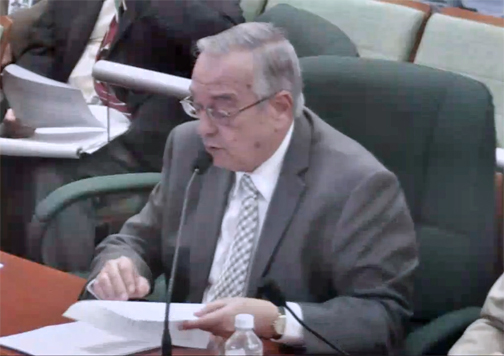
Several prominent Puerto Rican economists urged lawmakers on Monday to exempt educational institutions from the proposed 16 percent value-added tax being discussed as part of a sweeping tax reform for the island.
burbuja de chat0 Comentarios
visibilidad4559 Views
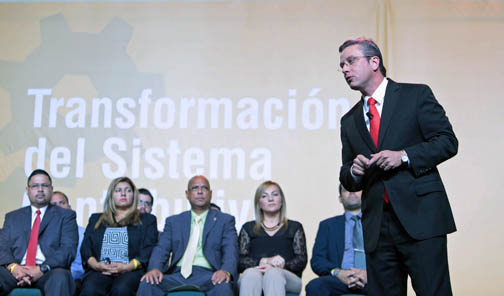
El gobernador habla sobre la reforma del Tesoro y presenta un proyecto de ley de reforma fiscal.
12 de febrero de 2015
El gobernador Alejandro García-Padilla anunció el miércoles la reestructuración del Departamento del Tesoro de Puerto Rico, y ofreció detalles sobre la reforma fiscal propuesta por la administración, expuesta en un proyecto de ley de 1,400 páginas presentado ante la Legislatura a última hora del día.
burbuja de chat0 Comentarios
visibilidad3363 Views

Treasury wants to erase ‘uncertainty’ from tax code
septiembre 12, 2014
The Puerto Rico Treasury Department has spent the last seven months working with a team of local and international experts in tax, fiscal and economic matters to propose an overhaul to the island’s Internal Revenue Code that ultimately should eliminate the “uncertainty” associated with elements of the decades-old statute, agency Chief Melba Acosta told members of the media Thursday.
burbuja de chat0 Comentarios
visibilidad2846 Views

Op-Ed: A note on Ways and Means tax reform legislation
marzo 5, 2014
Some companies from the U.S. mainland operate in Puerto Rico directly vs. through Controlled Foreign Corporations. They pay federal income tax on their territorial income at the normal 35 percent rate.
burbuja de chat0 Comentarios
visibilidad4818 Views
Op-Ed: Impact of federal tax reform bill on Puerto Rico
febrero 28, 2014
Most manufacturing in Puerto Rico is done by subsidiaries of companies based in the States organized in foreign tax havens to avoid Commonwealth as well as federal taxes. Income of the subsidiaries is not federally taxed unless transferred to the parent company, when it would then owe the 35 percent corporate income tax rate.
burbuja de chat0 Comentarios
visibilidad3432 Views

Puerto Rico Senate approves Teacher’s Pension Reform
diciembre 24, 2013
The Puerto Rico Senate approved late Monday the Teacher's Pension System reform bill submitted by Gov. Alejandro García-Padilla last week. The Senate's approval follows Saturday night's passage by the House of Representatives. The bill now goes to the governor's desk to be signed into law.
burbuja de chat0 Comentarios
visibilidad4332 Views

García-Padilla signs sweeping pension reform
abril 5, 2013
Amid outcry from many public workers who will see their pension benefits dwindle once they retire from their government jobs, Puerto Rican lawmakers approved and Gov. Alejandro García-Padilla signed a sweeping reform aimed at “rescuing” Commonwealth’s Employees Retirement System.
burbuja de chat0 Comentarios
visibilidad3566 Views
- 1
- 2
- Siguiente »

Proveedor de contenido de Dow Jones/Factiva desde 2014.

¡Suscríbase a nuestro podcast Dollars & Sense!

NIMB EN LAS REDES SOCIALES