
Fisher House to break ground in Puerto Rico with $13.5M investment
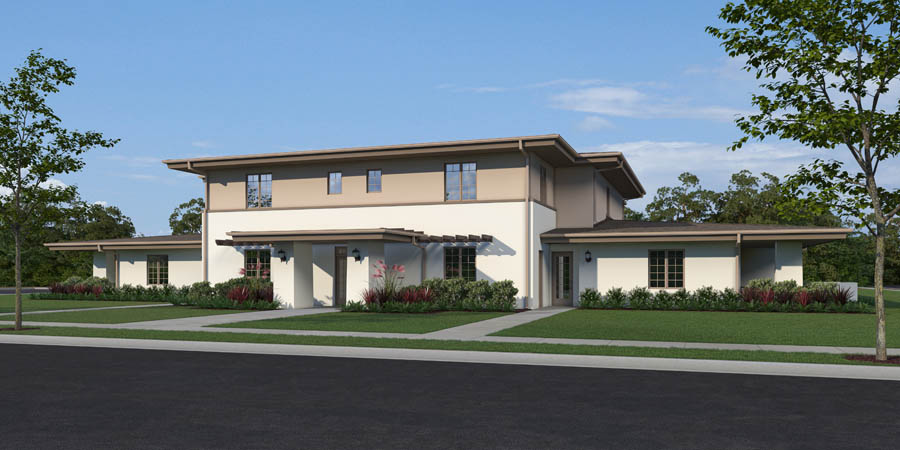
Fisher House Foundation President Dave Coker confirmed that construction of Puerto Rico’s first Fisher House — a $13.5 million project near the San Juan Veterans Affairs Medical Center — will begin in November, marking a significant milestone for veteran support services on the island.
The 16-suite facility offering free lodging for families of hospitalized veterans will be located about a mile from the VA Medical Center, which also serves residents of the U.S. Virgin Islands.
Veterans themselves do not stay alone at Fisher Houses. The homes are provided to families, who stay five to seven days, but some remain for months — or longer.
“This house will be unique,” said Coker in an interview with News is my Business. “It’s got to withstand 175 mph winds and will need to have water cisterns and a generator and meet all the requirements for Puerto Rico. The project is budgeted at $13.5 million.”
He said the project has been in development for years, beginning with site selection in coordination with the U.S. Department of Veterans Affairs. The VA has already secured the land, and permitting is in progress.
Once construction begins, the buildout is expected to take 14 to 15 months. After that, the foundation will furnish the home and turn it over to the VA, which will provide services such as Wi-Fi and telephone access. “The goal is to welcome the first guest 60 days after we turn it over to VA,” said Coker.
The Puerto Rico Fisher House will have a manager, an assistant manager and a program assistant, in addition to housekeeping personnel, who may be hired or contracted depending on operational needs.
The facility will feature 16 suites, each with a private bath, and can accommodate up to four people per suite — serving a total of 16 families at a time.
At nearly 15,000 square feet, the building will include common areas designed to foster community. “The most important room in the house is the kitchen because that is where people connect,” said Coker. “That’s where they support one another, share their burdens and celebrate joys together.”
The houses often inspire local involvement. Community groups, churches and volunteers frequently prepare meals for guests. “Some are tremendous cooks, and the guests are good eaters and it’s a beautiful relationship,” he said. “If there’s a favorite meal, the families have the freedom to prepare that.”
The facility will be fully wheelchair accessible and include an elevator. “We want to give the manager as much flexibility to meet the needs of the families,” Coker said.
Years in the making
The Fisher House Foundation was created by builder and philanthropist Zachary Fisher, who was unable to serve in the military due to a construction-related injury. He personally funded the first 20 houses. Later this month, “we will be dedicating Fisher House No. 100,” Coker said. “So, on any given night, the houses can accommodate up to 1,400 families.”
The idea of building a Fisher House in Puerto Rico dates back years. “Tom Bowman, then-deputy secretary [of the Department of Veterans Affairs], was the first to mention there’s a place where a Fisher House is really needed — and that is Puerto Rico,” Coker said. “Puerto Rico has such a tremendous legacy of service in the military, and to be able to come and be a part of providing health care for Puerto Rico and the Caribbean is exciting.”


