
Pierluisi meets with economists to discuss PRoposito framework
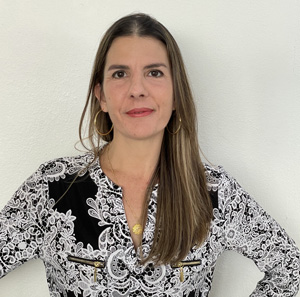

Puerto Rico Gov. Pedro Pierluisi on Tuesday held a meeting with economists and government officials to discuss updates to the PRoposito Strategic Framework over the past year.
PRoposito is the strategic framework for Puerto Rico’s economic development, involving collaboration between the private sector, nonprofit organizations, business associations and government entities to make Puerto Rico the “preferred island of the world.”
In a news conference at the governor’s executive mansion, La Fortaleza, Pierluisi stated that the purpose of the meeting was to review the progress made over the past three years and “to share with the economists,” including Dr. Juan Lara, and government advisers his vision for “the economic development we would like to have in a sustained fashion in the coming years.”
“It’s very important that progress continues, it’s very important that we continue maintaining unemployment at the lowest level as has been the case. Right now, it’s at the lowest in our history,” Pierluisi said.
The governor emphasized the importance of continued job creation, good employment opportunities and the progression of the reconstruction process, “until the island has a resilient infrastructure.”
“Those are the challenges,” he noted. “At the meeting, we discussed the importance of these economists helping us to continue improving and updating the economic development strategic framework, which is the document that we call PRoposito. It was elaborated on more than a year ago, and we want to ensure it’s updated, that it emphasizes key points for the island’s economic development.”
Pierluisi also mentioned discussing the island’s reconstruction process following the natural disasters that have taken place over the past several years, highlighting that the federal financial support from the Federal Emergency Management Agency (FEMA), the U.S. Department of Housing and the U.S. Highway Administration, among others, is enabling “capital works across Puerto Rico without the need to reach out to the markets” to borrow.
“Without the need of the government going into debt,” Pierluisi added.
The government has to finance 10% of the reconstruction capital works costs, although in some cases the government must capitalize about 25% of the costs, the governor said.
“But from an economic point of view, this is a great opportunity,” he continued. “So the challenge is that the government continues performing well from a fiscal point of view, that the Treasury Department continues achieving the collections it has been obtaining, more than the ones envisioned by the government and the Financial Oversight and Management Board, so that when the reconstruction concludes, which will be in about eight to nine years, the government can then be in the position to recur to the markets to finance future capital works.”
He added that the government’s fifth audited financial statement will be ready by year’s end, bringing it up to date with its audited financial statements.
“We have also been informing credit agencies that although we are not incurring debt or issuing bonds, we have been keeping credit agencies updated and the local banking sector informed about what the government is doing from a fiscal point of view,” the governor said.
The vision for the next eight to nine years of the reconstruction process is to continue “doing things right,” maintain balanced budgets and be “getting ready for the moment” when federal aid for capital works is no longer available to finance these.
“And at that time, we want to recur to the markets at the lowest possible cost,” he concluded. “For me, it was very important to share my vision with these economists and ask them directly that I want them to help us update our economic development strategy, which we call PRoposito. And for them to keep communicating with agency heads.”


