¿Se está acercando la economía estadounidense a un periodo de “estanflación”?”

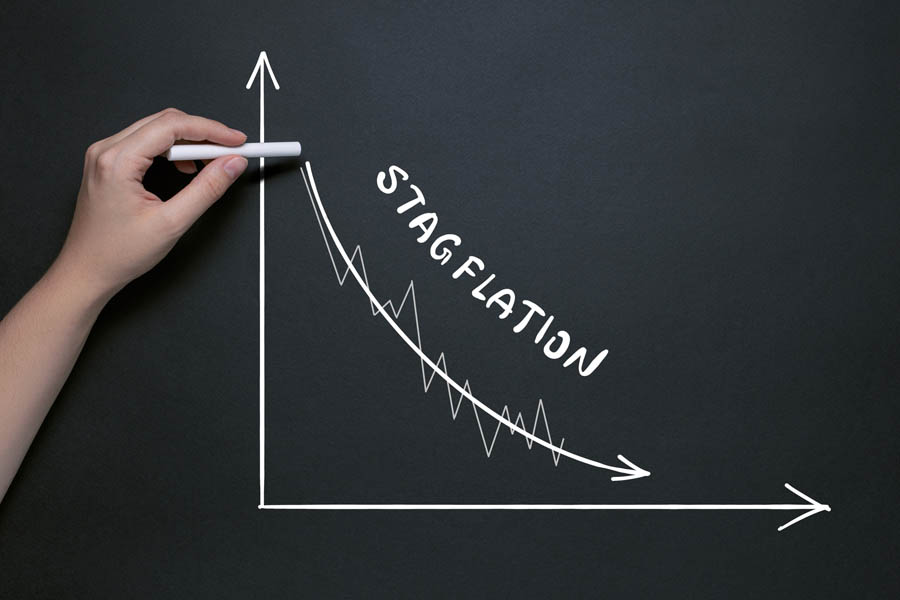
Since April, with the launch of President Trump’s intense and fluctuating tariff initiatives, concerns have been growing about whether the U.S. economy would enter a phase of “stagflation,” a condition characterized by a combination of high inflation, economic stagnation and high unemployment.
This concern was strongly reflected in the Fed’s decision in July to keep its interest rate stable. The manufacturing, construction and retail and wholesale trade sectors, which are sensitive to the impact of tariff increases, reported very weak increases in their respective jobs in July, with manufacturing showing this trend for three consecutive months.
Prices for household goods, clothing and used vehicles are rebounding. Along with a weak dollar, these are indicators suggesting an increased risk of stagflation.
A weak dollar typically pushes up the prices of imported goods and services, which in turn contributes to higher inflation. This, when accompanied by very weak economic growth, defines “stagflation.”
Significant increases in tariffs on imported goods are “stagflationary” because they simultaneously contribute to an increased likelihood of an economic slowdown while also leading to higher prices. Businesses are also affected through increased costs of their imports.
The direct implications of this condition are significant not only for the aggregate U.S. economy and our own but specifically for consumers, whose income prospects are limited as their spending capacity declines due to inflation.
U.S. economic growth for the second half of the year reflects an increase of around 1.2%, with an inflation rate of 3% and a rise in unemployment.
Data from the next two months on inflation and private employment should provide a better idea of the direction the U.S. economy is headed. On the one hand, the impact of tariffs on consumers and businesses will be largely determined by the strength of the dollar, as mentioned above.
A strong dollar will mitigate these impacts; a weak dollar will increase them by making imports more expensive.
A sustained inflationary trend and a very low economic growth environment would result in “stagflation.” Puerto Rico would not be exempt from this trend and its consequences, something it already suffered in the 1970s.

Author Leslie Adames is the director of economic policy and analysis at Estudios Técnicos.