La PRMA presiona a favor de cuestiones clave en materia de reforma laboral.

9 de marzo de 2011

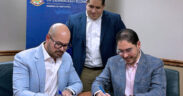
PRMA Executive Vice President William Riefkohl
 |
| William Riefkohl (Credit: Carlos Anguita) |
The Puerto Rico Manufacturers Association reiterated Wednesday its desire to collaborate with the government and the rest of the private sector to develop and promote measures that stimulate job creation, contribute to Puerto Rico’s economic development and increase worker productivity.
During its turn to testify at public hearings held by the House Economic Development, Planning, Commerce, Industry, and Telecommunications Committee on House Resolution 151, the trade group proposed changes in three key areas to make the island’s labor laws more competitive.
The law should: reduce the excess expenses associated with Law 80 in 2007; adopt flexi-time rules, as it has been done in the U.S. mainland and other countries; and try to incorporate the benefits of federal laws into local laws — at least for new hires — to promote job creation.
Law 80, which regulates unjustified firings, was amended in 2007 by increasing the severance pay due to employees in some cases by as much at two or three times as much as employees had a right to, depending on the years of service.
Meanwhile, flexi-time is a concept that caused heated debate when it was included in the draft of the Economic Incentives Law for the Development of Puerto Rico in 2008. While the private sector was pushing for it, government officials and numerous labor groups rejected it saying it was unconstitutional. The clause was subsequently eliminated from the bill that was eventually signed into law.
The Legislature is currently reviewing a proposed labor reform that has already received opposition from labor groups and conditioned support from the Puerto Rico Labor Relations Board. Meanwhile, trade groups such as the PRMA and the Puerto Rico Chamber of Commerce have been pushing for changes to the island’s labor laws for years, in an attempt to temper it to current market needs and increase the participation rate in the workforce.
During the hearing, two PRMA representatives — Executive Vice President William Riefkhol and attorney Roberto Monserrate, deputy executive vice president y director of legal and corporate affairs — noted that through the years they have strongly y consistently alerted the Legislature on the harmful effects of over–regulating Puerto Rico’s labor framework.
“In Puerto Rico there isn’t a fundamental problem of lack of worker rights,” they said during their testimony. “What exists is rampant unemployment, currently at 15.7 percent and representing 203,000 unemployed people, and labor force participation rate of 41.4 percent, the lowest in the world, compared with 194 countries and 38 territories.
Much of this has its roots in the high costs of doing business in Puerto Rico, including the complexities of local labor laws, they said.
Detalles del autor
Detalles del autor
Reportero de negocios con 30 años de experiencia escribiendo para periódicos semanales y diarios, así como para publicaciones especializadas en Puerto Rico. Entre mis antiguos empleadores se encuentran Caribbean Business, The San Juan Star y Puerto Rico Daily Sun, entre otros. Mis áreas de especialización incluyen las telecomunicaciones, la tecnología, el comercio minorista, la agricultura, el turismo, la banca y la mayoría de los demás segmentos de la economía de Puerto Rico.