
El Senado de Puerto Rico propone nuevas definiciones sobre el uso del suelo
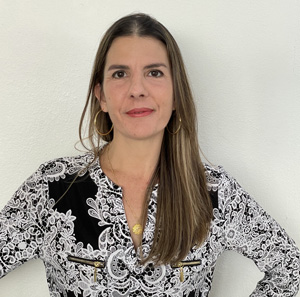
La senadora Roxanna Soto-Aguilú, del Partido Nuevo Progresista, ha presentado el proyecto de ley 910 del Senado, una legislación que revisaría definiciones clave de la Ley Orgánica de la Junta de Planificación de Puerto Rico relacionadas con el uso del suelo, la zonificación y la planificación ambiental.
La medida propone enmiendas al artículo 3 de la Ley 75 del 24 de junio de 1975, ampliando la definición legal de “terreno” y añadiendo definiciones formales para “zona rural”, “zona de reserva natural” y “zona protegida”. El proyecto de ley ha sido remitido a la Comisión de Planificación, Permisos, Infraestructura y Urbanismo del Senado.
Según la exposición de motivos del proyecto de ley, las definiciones que rigen la planificación territorial en Puerto Rico se redactaron hace décadas y no tienen en cuenta condiciones como el cambio climático, la expansión urbana, la infraestructura digital y los enfoques cambiantes de la gestión ambiental.
“La definición actual de terreno es excesivamente básica y limitada”, afirma la medida, argumentando que la legislación vigente se centra principalmente en las características físicas del terreno sin abordar los usos que incorporan sistemas de energía renovable, tecnologías de gestión del agua o diseños resistentes al clima.
Soto-Aguilú sostiene que el marco legal actual ha contribuido a que las evaluaciones de los proyectos sean inconsistentes, especialmente en el caso de los desarrollos con componentes ecológicos o multifuncionales. El proyecto de ley cita ejemplos en municipios como Ponce y Arecibo, donde los proyectos propuestos en terrenos agrícolas o costeros han sufrido retrasos o litigios, lo que la legislación atribuye a la falta de claridad de las definiciones existentes.
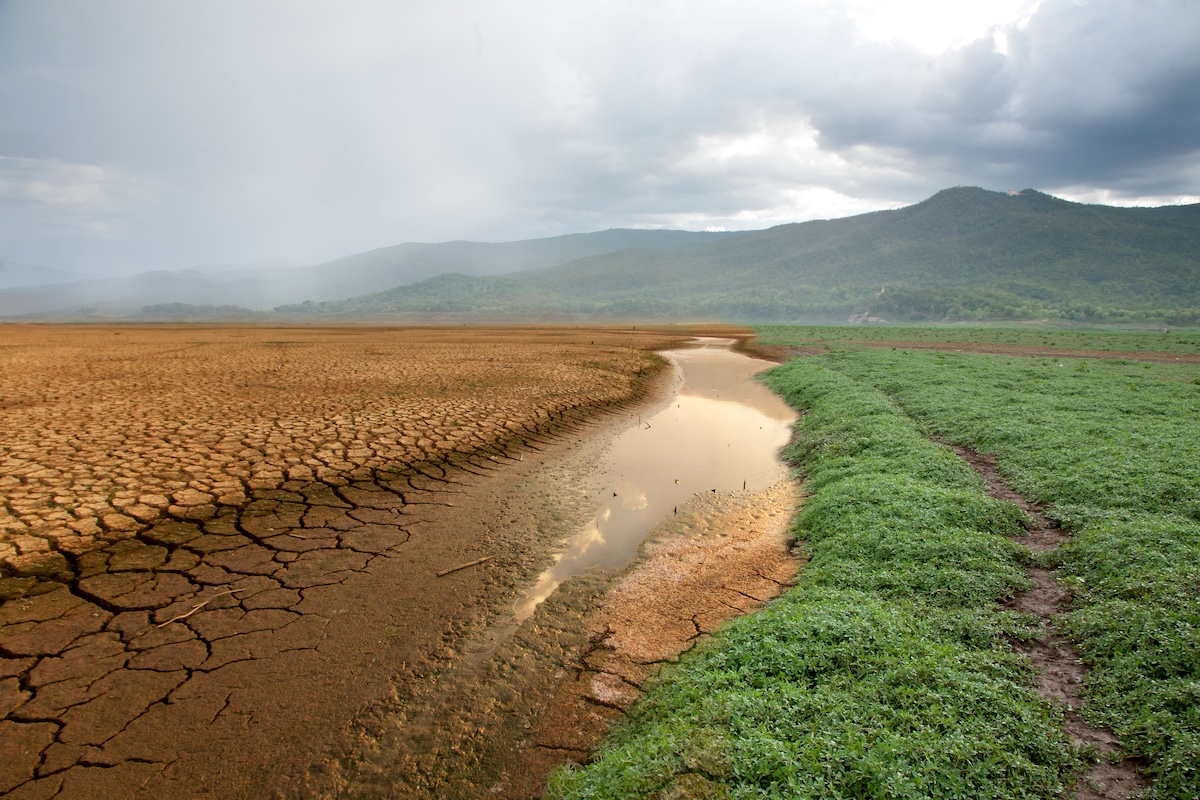
Más allá de redefinir el concepto de tierra, el proyecto de ley 910 del Senado busca abordar la ausencia de definiciones legales explícitas para las zonas rurales, las reservas naturales y las zonas protegidas. La medida establece que las zonas rurales, que se asocian con la agricultura, el ecoturismo y la producción de alimentos, siguen siendo vulnerables a la expansión urbana debido a la falta de límites claramente definidos en la ley.
Del mismo modo, el proyecto de ley sostiene que la ausencia de definiciones formales de reserva natural y zonas protegidas ha complicado los esfuerzos de conservación y la protección de ecosistemas frágiles. La legislación cita condiciones como la degradación de los manglares a lo largo de la costa norte y la conversión de tierras rurales en el interior de la isla para uso residencial como ejemplos que respaldan la propuesta.
Según el proyecto de ley, el término “tierra” se definiría de manera que incluiría el subsuelo, las aguas superficiales y subterráneas, el espacio aéreo inmediato, así como las tierras que incorporan sistemas tecnológicos, siempre que se ajusten a los principios identificados en la medida, entre ellos la sostenibilidad y la equidad territorial.
Las zonas rurales se definirían como áreas predominantemente no urbanizadas dedicadas a la agricultura, la conservación y actividades de bajo impacto. Las zonas de reserva natural estarían sujetas a protecciones más estrictas para la biodiversidad y los ecosistemas frágiles, mientras que las zonas protegidas incluirían áreas preservadas por su valor ambiental, cultural, histórico o paisajístico, permitiendo solo usos compatibles.
La propuesta hace referencia a enfoques de planificación utilizados en jurisdicciones como Costa Rica y España, que el proyecto de ley describe como ejemplos de definiciones ampliadas del uso del suelo que han contribuido a reforzar la sostenibilidad y la equidad territorial.
Si se aprueba, la medida autorizaría a la Junta de Planificación de Puerto Rico a adoptar reglamentos para implementar las nuevas definiciones, en coordinación con las agencias ambientales y municipales.


