Report finds 55K-unit shortfall in Puerto Rico’s affordable housing

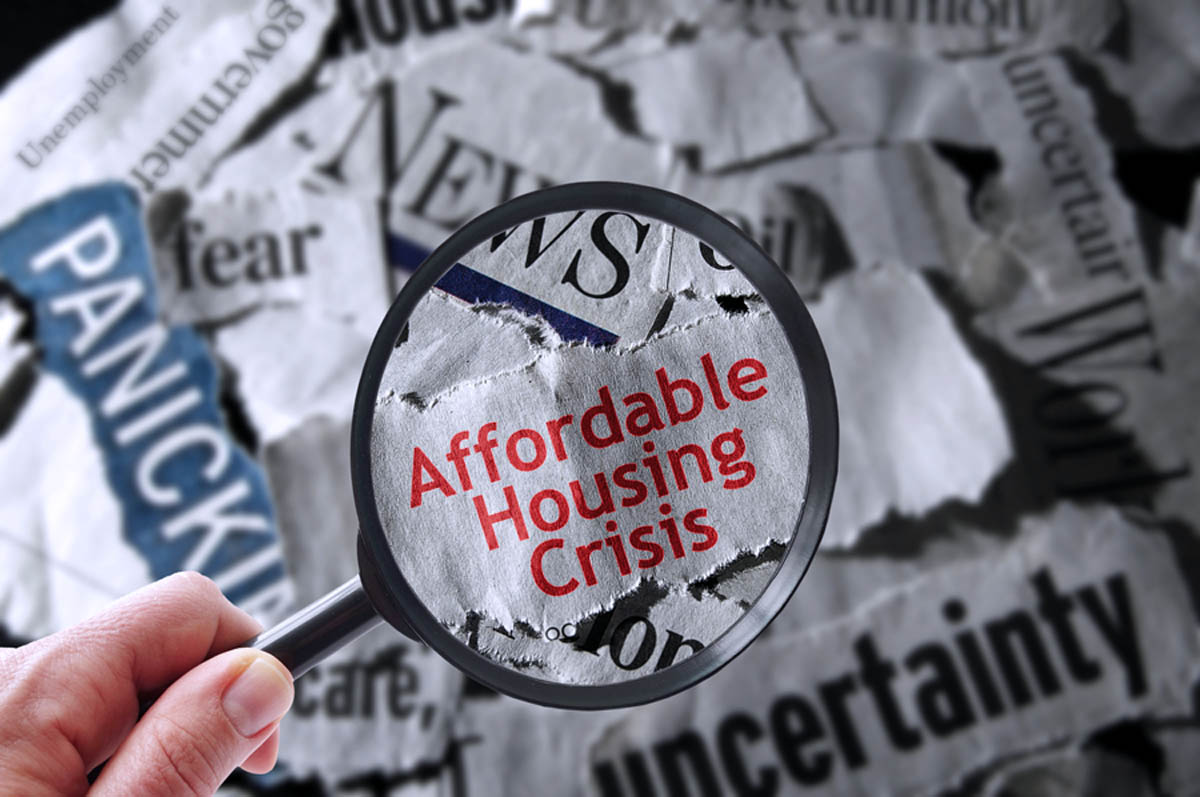
Puerto Rico is facing a severe shortage of affordable housing for its lowest-income residents, according to a new informe by the National Low Income Housing Coalition (NLIHC). The study identifies a gap of 54,915 affordable and available rental units for extremely low-income households across the island.
The report, “The Gap: Assessing the Affordability and Availability of Rental Housing in Puerto Rico,” finds that only 66 affordable units are available for every 100 renter households in this income bracket.
Extremely low-income renters account for 68% of all cost-burdened renter households and 86% of those with severe cost burdens. These households are disproportionately made up of seniors, people with disabilities, students and single adult caregivers.
The report notes significant disparities among ethnic groups: Dominican and South American renters are more likely to fall within the extremely low-income category and face higher levels of housing insecurity.
In the San Juan metropolitan region, where more than 60% of Puerto Rico’s renters live, the availability drops to 65 affordable units for every 100 extremely low-income households.
Based on 2023 Puerto Rican Community Survey (PRCS) data, researchers documented a shortage of more than 50,000 affordable rentals for the lowest-income population, aligning with broader national housing trends.
“Much like the mainland U.S., Puerto Rico faces an acute shortage of affordable and available rental homes for the lowest-income renters,” said NLIHC President and CEO Renee Willis. “This affordability gap cannot be addressed by a single policy change or without significant investment in housing assistance.”
NLIHC publishes the report annually using American Community Survey data, but Puerto Rico was previously excluded because it is not part of the ACS. The 2024 report marks the first time the island is included through PRCS data. Nationally, this year’s analysis found a shortage of 7.1 million affordable and available rentals for extremely low-income households, or 35 units for every 100 renters.
The report links Puerto Rico’s housing challenges to slow and uneven federal recovery efforts after hurricanes Irma and Maria, the 2020 earthquakes in the island’s southwest and other climate-related disasters. The group says these delays have prolonged displacement and worsened housing conditions throughout the island.
To address the issue, NLIHC urges the federal government to recognize the unique conditions facing Puerto Rico’s lowest-income renters and increase equitable funding for housing and disaster recovery. Recommended actions include expanding rental assistance programs, preserving existing federally assisted housing and improving oversight of recovery funds.