Rising debt, higher interest rates may threaten retail sales as consumers head into holiday season

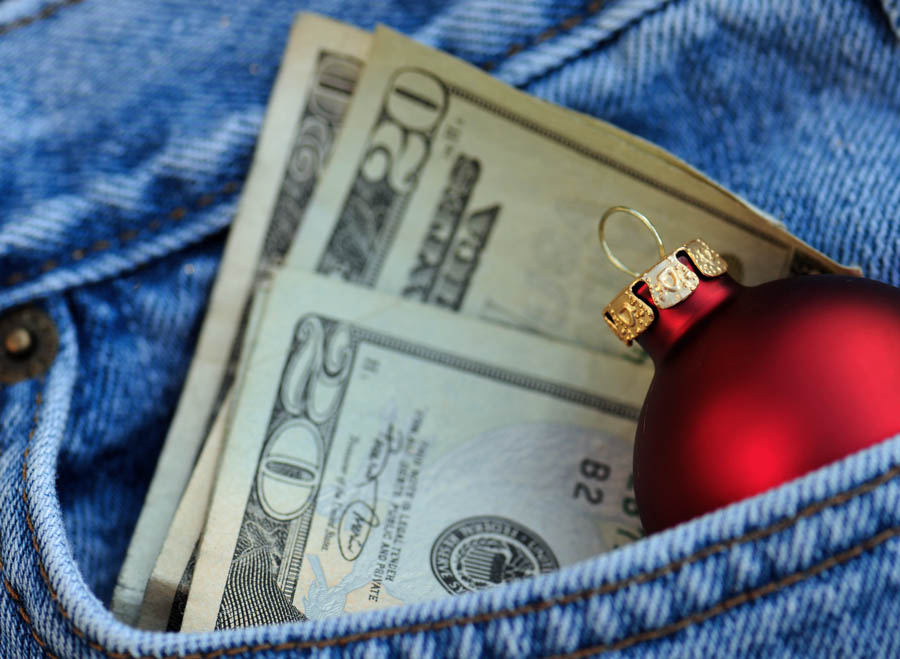
Inflation, a string of interest rate hikes, mounting credit card debt and sluggish salary increases will prompt consumers to keep a closer eye on their spending this holiday season.
Several surveys indicate that many consumers are planning to pull back this holiday season, primarily because of higher prices at retail stores. This finding is despite a 0.7% increase in U.S. retail sales in September.
A Morning Consult encuesta found that 31% of shoppers anticipate reducing their overall holiday expenses this year, and more than a third, 36%, said they are considering “buy now, pay later” deals, up from 28% last year.
Eight in 10 shoppers expect to spend about the same as or more than they did last year, but 42% attribute their expectations for higher spending to inflation and a higher cost of holiday items, according to the International Council of Shopping Centers’ 2023 holiday forecast. The survey found 54% planning to spend less for the same reasons.
About three in 10 U.S. adults say they have foregone a major purchase because of higher interest rates over the past year, according to a new Associated Press-NORC Center for Public Affairs Research poll.
Consumers are more wary of spending when they see their expenses outpace their earnings. Two-thirds of respondents said their household expenses have risen over the past year, but only about one-fourth said their income has increased over the same period, AP reported.
Nearly one in four have student debt, AP added, and the pandemic-era payment pause on federal loans ending this month is adding yet more pressure.
U.S. consumer credit card debt reached a record high of $1 trillion in the second quarter this year, climbing by $45 billion, or 4.6%, to $1.03 trillion, the Federal Reserve Bank of New York dijo in August.
This debt is growing at a time when interest rates have been increased to a 22-year high. Elevated interest rates make it more expensive for consumers to pay their card credit debt, which prompts them to take on more debt, trapping them in a vicious cycle of debt.
Consumers report spending more – often as much as 50% to twice what they used to spend – on groceries, gas, utilities, health care and other products and services, and feeling less confident about their ability to pay for unexpected expenses and having enough retirement savings.
In July, 61% of U.S. consumers lived paycheck to paycheck, with 21% struggling to meet bill payments, according to research by LendingClub and PYMNTS.
Like their mainland counterparts, Puerto Rico’s consumers are struggling with rising prices and debt. Data on income versus expenses from a V2A Consulting encuesta commissioned by the Chamber of Food Marketing, Industry and Distribution (MIDA, in Spanish) found that the average consumer in Puerto Rico has a monthly deficit of more than $1,000.
As a result, purchasing behaviors have changed. Local consumers are reducing their spending and leaving items behind in stores when they shop, according to MIDA’s survey.
The shares of credit card debt and student debt in Puerto Rico are comparable to the U.S. mainland, according to the New York Fed. Mortgages make up 60% of total household debt on the island versus 69% stateside. Auto loans, too, constitute a bigger share of the Puerto Rican debt picture than on the mainland, at 14% compared with 9% for the entire United States, the New York Fed reported.