Shutdown spotlights Puerto Rico’s federal dependency

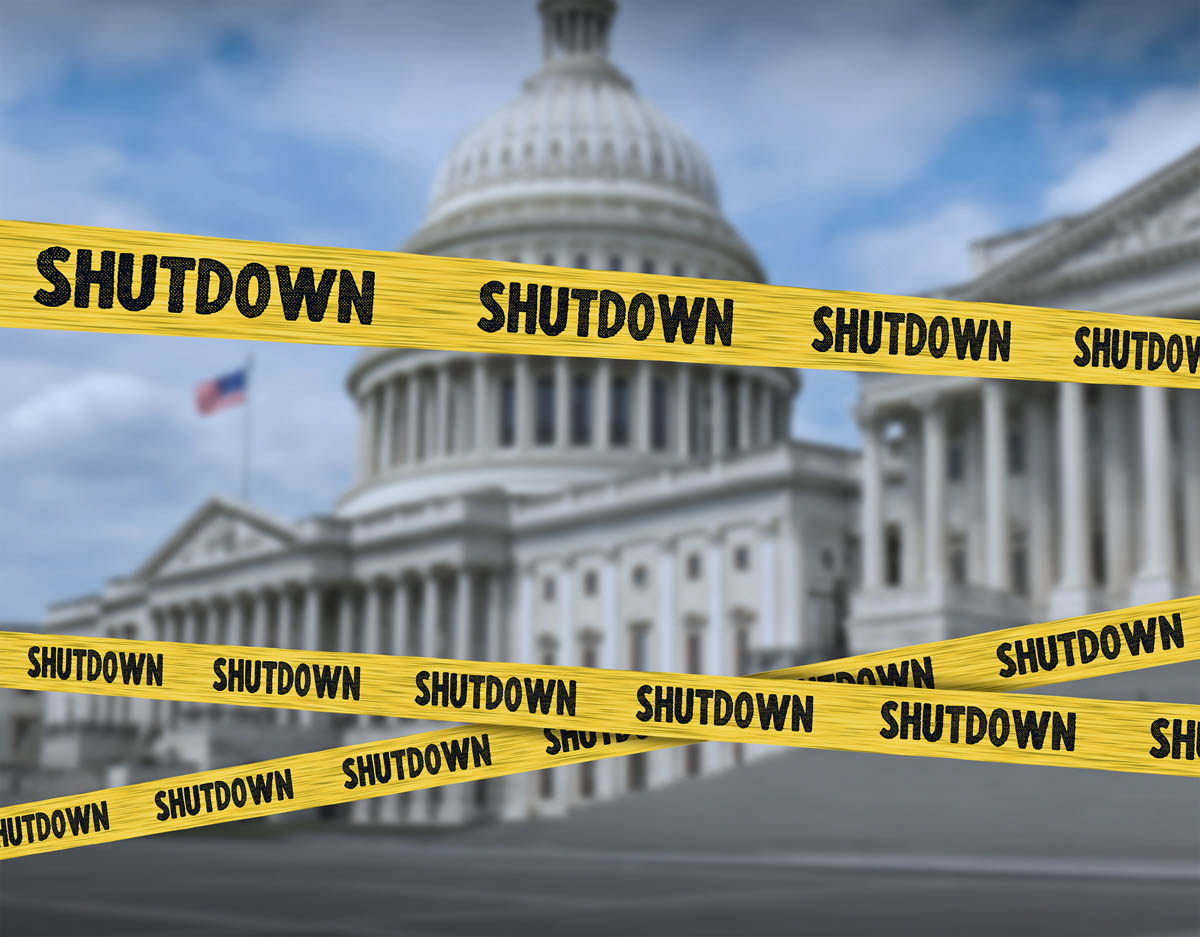
At the beginning of this week, the partial shutdown of the federal government, which began on Oct. 1, continued. The lack of agreement between the two parties in the Senate is the reason for the extension of the shutdown. This has made it impossible to disburse certain funds for recurring expenses, including those allocated for nutritional assistance.
On Oct. 24, the U.S. Department of Agriculture announced that it would not release several billion dollars from the Supplemental Nutrition Assistance Program (SNAP) contingency fund, which had already been allocated by Congress for emergencies, if the partial shutdown extended into November.
This fund contains between $5 billion and $6 billion, which is not enough to cover the full $8 billion in benefits that would be due in November.
While the administrative costs of the SNAP program are split between the state and federal governments, the federal government provides the funding for all benefits. In the case of Puerto Rico, the funds for the Nutritional Assistance Program (NAP) are allocated as a lump sum, meaning the federal government transfers the funds in a single payment for the program.
In fiscal year 2024, individuals’ receipts for PAN in Puerto Rico totaled $3.2 billion, representing the third-largest source of federal funds allocated to individuals, after Social Security and Medicare, and the proportion of the population receiving them in Puerto Rico is significant, 40%, giving Puerto Rico the highest participation rate among all jurisdictions.
This situation reflects serious socioeconomic weaknesses that are not new: high dependence on federal transfers and a very unequal distribution of income, and a poverty rate that in 2023 was 39.6%, the highest of any jurisdiction in the United States.
The immediate implications of the U.S. Department of Agriculture’s decision, and the continuation of the partial federal shutdown, for SNAP are significant. The local government reported that it has funds to cover disbursements for the first week of November. The question is what will happen if the federal shutdown extends beyond that date, as currently seems likely. Some jurisdictions are considering temporary benefit cuts.

Author Graham Castillo is president of Estudios Técnicos Inc.