
South American countries support livestock cloning

marzo 22, 2011
Puerto Rico's dairy plants have not been operating at their peak in recent years, Agriculture Secretary Myrna Comas said. (Credit: Carlos Anguita)
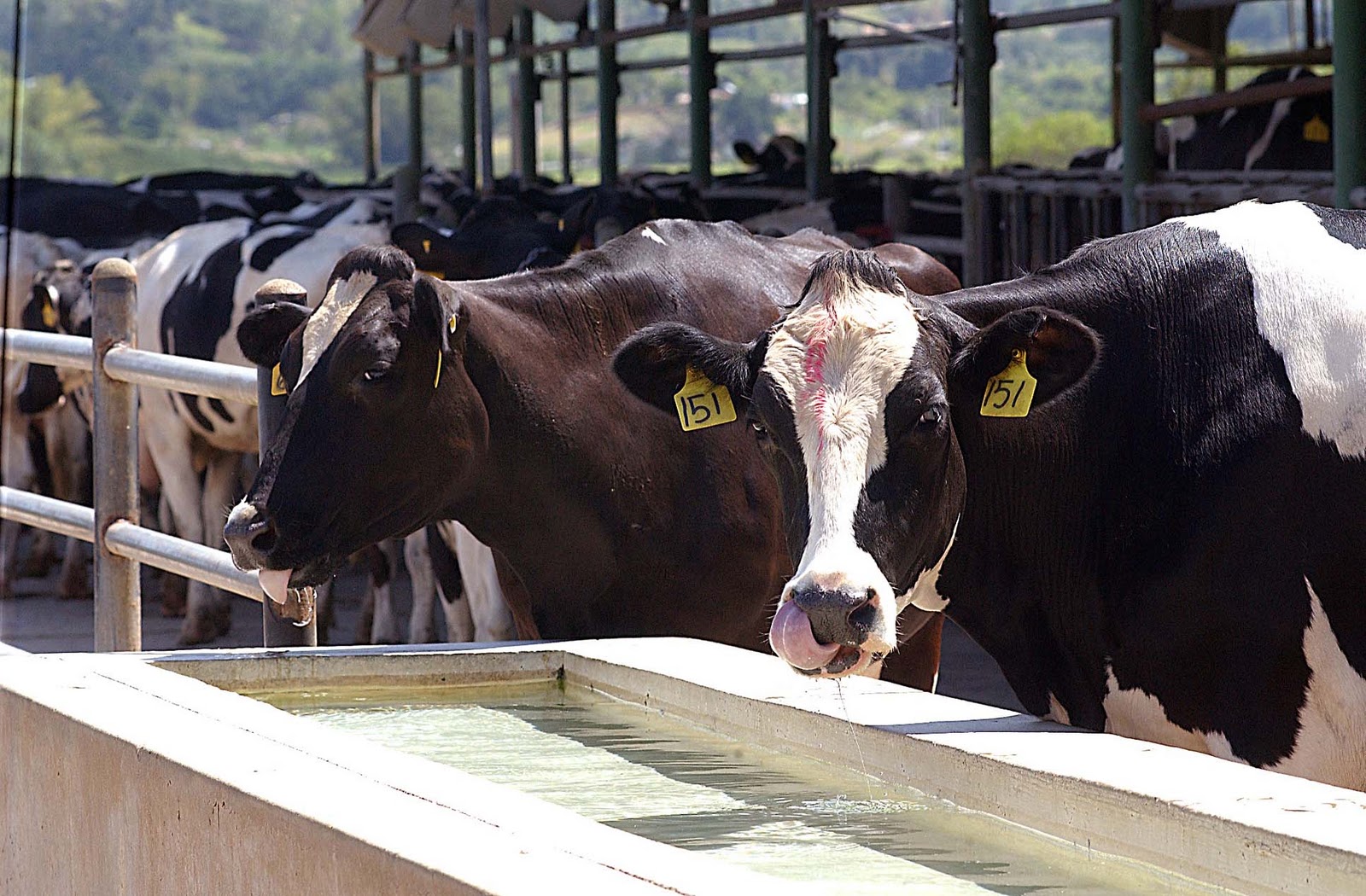 |
| Puerto Rico’s livestock industry is divided into meat and dairy farming. (Credit: Carlos Anguita) |
Three Latin American countries — Argentina, Brazil and Paraguay — are among five nations that recently threw their support behind livestock cloning as one of many agricultural technologies that can help meet the world’s growing demand for sustainable food production.
Two other nations, New Zealand and the United States, came together with the aforementioned countries — all livestock production powerhouses — to sign a document in support of animal cloning technology during a meeting held in Argentina earlier this month.
“These governments recognize that cloning is one breeding technology that helps farmers and ranchers produce healthier animals and contributes to more consistent food production,” said David Edwards, director of animal biotechnology for the Biotechnology Industry Organization, known as BIO, which supports the practice of animal cloning.
“There is global scientific agreement that foods from livestock clones and their offspring are no different than foods from livestock produced through conventional breeding and are completely safe to eat,” he said, noting that discussions during the meeting focused on the regulatory and trade-related aspects of livestock cloning in agriculture and food production.
For decades, Puerto Rico has been indirectly involved in crop genetics, as it plays host to a number of stateside companies — including Pioneer Hi-Bred and Monsanto — dedicated to agricultural experimentation. The island’s year-round good weather provides the ideal setting for companies looking to test and harvest their genetically modified seeds, which are subsequently sold worldwide.
Cloning draws strong, mixed reactions
The practice of cloning has historically drawn strong opposition from animal protection and consumer advocacy groups who are completely opposed to the thought of tampering with nature.
On the other hand, there are individuals and organizations such as BIO that believe in cloning, especially in light of an expected growing world demand for meat and dairy products.
“World demand for meat and dairy products is forecasted to increase dramatically in the next few decades, and much of that supply will need to come from more efficient livestock,” said David Faber, president of Trans Ova Genetics and chair of BIO’s animal policy committee. “Increasing pressure is being put on limited resources to meet the growing challenges to food security, and agricultural technologies such as cloning are going to play an increasingly crucial role in meeting these challenges.”
While local farmers have not publicly supported animal cloning, in February, members of the Puerto Rico Farm Bureau raised their concerns over the possibility of a food shortage on the island resulting from, among other things, increasing demand and prices.
In the last three years, regulatory agencies in the U.S. and Europe have given their approval to animal cloning. While the U.S. Food and Drug Administration issued an opinion in January 2008 saying that livestock cloning is safe, the European Food Safety Authority followed suit in July of that same year, issuing a scientific opinion that food from clones is safe and there are no implications of animal cloning on the environment.
Nonprofit animal advocacy group American Anti-Vivisection Society immediately rejected the FDA’s opinion, saying, “the American public does not support animal cloning, and the technology is riddled with problems that cause animal suffering.”
The group claims, among other things, that problems occur with cloning far more often than with any other method of reproduction and that “the public is worried about the moral and ethical implications of animal cloning.”
Detalles del autor
Detalles del autor
Reportero de negocios con 30 años de experiencia escribiendo para periódicos semanales y diarios, así como para publicaciones especializadas en Puerto Rico. Entre mis antiguos empleadores se encuentran Caribbean Business, The San Juan Star y Puerto Rico Daily Sun, entre otros. Mis áreas de especialización incluyen las telecomunicaciones, la tecnología, el comercio minorista, la agricultura, el turismo, la banca y la mayoría de los demás segmentos de la economía de Puerto Rico.


