
Study links toxic emissions to higher cancer risk

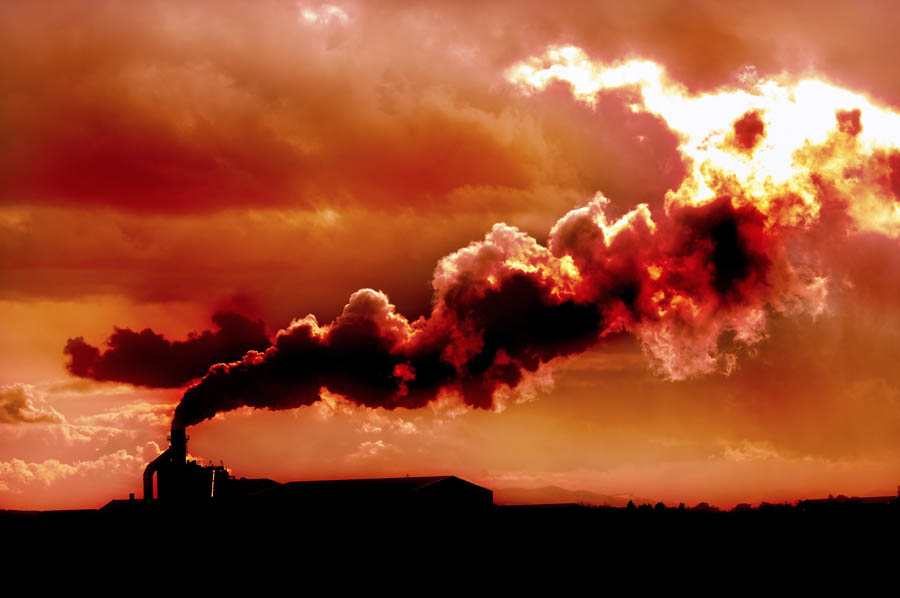
A new study by the University of Puerto Rico’s Comprehensive Cancer Center (CCCUPR) has found a possible link between prolonged exposure to toxic industrial emissions and a higher risk of developing cancer among the island’s residents.
The research, led by the Center for Research in Cancer of the Caribbean on Environmental and Natural Risks (CARIB-CARES), was published in the journal Cancer Epidemiology, Biomarkers & Prevention. It analyzed 80,179 cases of invasive primary cancer diagnosed between January 2018 and December 2022, using data from the Puerto Rico Central Cancer Registry and the U.S. Environmental Protection Agency’s Toxics Release Inventory (TRI).
The TRI tracks more than 800 hazardous substances released into air, water or soil that are associated with adverse health and environmental effects. Municipalities were classified by emission activity over a 15-year period (2006–2020): continuous, intermittent or none.
“Between 2006 and 2020, 160 industrial facilities in Puerto Rico reported toxic emissions,” said lead author Nancy R. Cardona-Cordero, a CCCUPR researcher.
“Seventy-seven percent of cancer patients diagnosed between 2018 and 2020 lived in municipalities with reported emissions, while 62% resided in areas with continuous emissions over that 15-year period,” she said.
The study found that people living in municipalities with reported emissions faced a 7% higher overall cancer risk compared with those in areas without such activity. Gender differences also emerged: men in municipalities with continuous emissions had a 12% higher risk, while women showed a 5% increase.
Using breast cancer as a reference, the analysis showed that women in emission-affected areas had a 5% higher risk of developing the disease, which rose to 6% in municipalities with continuous exposure. Researchers noted that most cancer cases have no hereditary component, underscoring the role of environmental, hormonal and lifestyle factors such as obesity and alcohol consumption.
“This study underscores the environment as a social determinant of health,” said Marievelisse Soto-Salgado, co-lead of the study. “It shows how where we live — and prolonged exposure to pollutants — can significantly increase cancer risk.”
Ana Patricia-Ortiz, interim director of the Division of Cancer Control and Population Sciences at CCCUPR and principal investigator of CARIB-CARES, said the findings reinforce the need to understand the long-term effects of environmental contamination.
“Understanding how exposure to certain contaminants causes cancer, how we can mitigate this impact, and how these chemicals affect survivors’ quality of life is vital to developing prevention strategies,” she said.
CARIB-CARES, one of 21 research centers funded by the U.S. National Institutes of Health, studies the health impacts of environmental and climate risks in the Caribbean. Through collaborations with UPR’s Comprehensive Cancer Center, Medical Sciences Campus and the University of the Virgin Islands, the center aims to guide public policy, inform preventive strategies and protect high-risk communities in the region.


