USDA study explores Puerto Rico’s post-hurricane agricultural recovery

A U.S. Department of Agriculture (USDA) study drafted by the agency’s Economic Research Service, titled “Puerto Rico’s Agricultural Economy in the Aftermath of Hurricanes Irma and Maria: A Brief Overview,” was recently released. The study found that the island’s agriculture sector is still adjusting to the devastation left by the major 2017 storms through production and business decisions consistent with the options and resources available to individuals and firms, including government support.
The study also noted that the hurricane damages are mirrored in the difference between 2012 and 2018 agricultural census data.
“Between 2012 and 2018, total farm sales fell $170 million (26%), from $655 million to $485 million (adjusted for inflation), with large declines in bananas, coconuts and other fruits, coffee, and poultry,” states the study. “Crop sales decreased by $82 million, falling in 8 of the 10 commodity groups for which crop sales are recorded.”
The study revealed that poultry and related products experienced the most significant drop in sales, in terms of the decline ratio.
“The inflation-adjusted dollar value of reduced sales in poultry and poultry products was $28 million. Sales of milk and other dairy products declined 24 percent to $54 million (adjusted for inflation). Despite the decline in sales, net cash farm income increased from $15 million in 2012 to $21 million in 2018,” the study further notes, while adding that “much of the gain was due to increased federal government payments for participation in farm programs.”
“Payments more than doubled, from $42 million in 2012 to $86 million in 2018,” the report adds.
In general, between agricultural census years 2012 and 2018, the number of farms dropped by 37.5% and land under cultivation by 16.6%, a loss of 4,929 farms and 97,213 acres, according to the study.
“The losses were particularly felt by smaller farms of less than 10 acres, whose numbers decreased by more than half,” the study reads. “Agricultural exports were also affected. Traditionally, the bulk of Puerto Rico’s agricultural exports are concentrated in a small group of high-value products. The most significant include food preparations, distilled spirits, and essential oils.”
Furthermore, agricultural and related exports also fell in value from a high of $352 million in 2016 to only $191 million in 2020.
In addition, tobacco, which had accounted for more than 85% of bulk exports, “fell by 99% from 2017 to 2018 and remained low in the years since.”
Meanwhile, processed fruit exports nearly doubled (up 98%) from 2011-2020, according to the study.
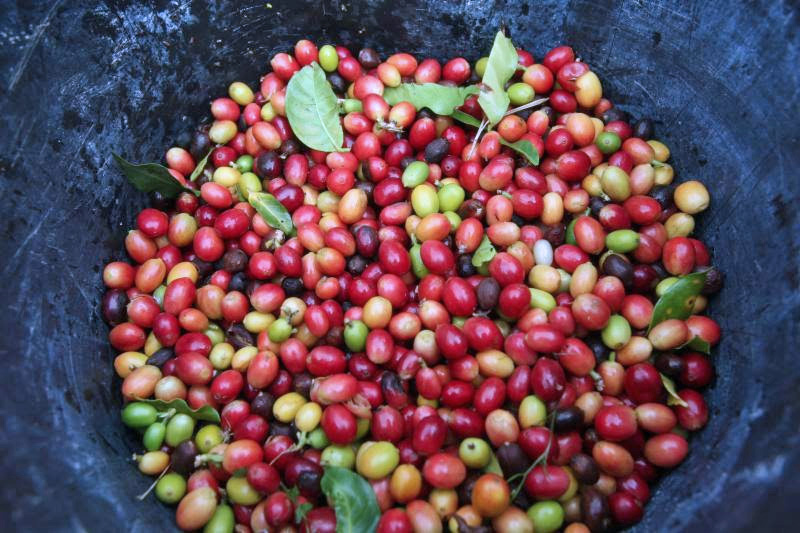
Coffee farming emerged as one of the most resilient crops, maintaining its position as the primary land use and a vital economic activity for thousands of farmers in the central highlands of the island. Additionally, it continues to provide employment opportunities for thousands of hired workers.
“Despite hurricane damage, coffee cultivation continued partly because it is mostly grown in the center of the island and was relatively less affected by the hurricanes,” the report adds. “More important, however, is its transformation from shade-grown cultivation to sun-grown coffee. Medium-sized farms accounted for the bulk of total coffee sales (41%) in 2018, while small-farm share of the value of coffee sales was 35% — up from 14% in the early 1980s.”
The authors of the study are Bart Kenner, Dylan Russell, Constanza Valdes, Andrew Sowell, Xuan Pham, Angel Terán, and James Kaufman.