El veto al proyecto de ley sobre el impuesto al inventario de Puerto Rico desata un debate en toda la isla

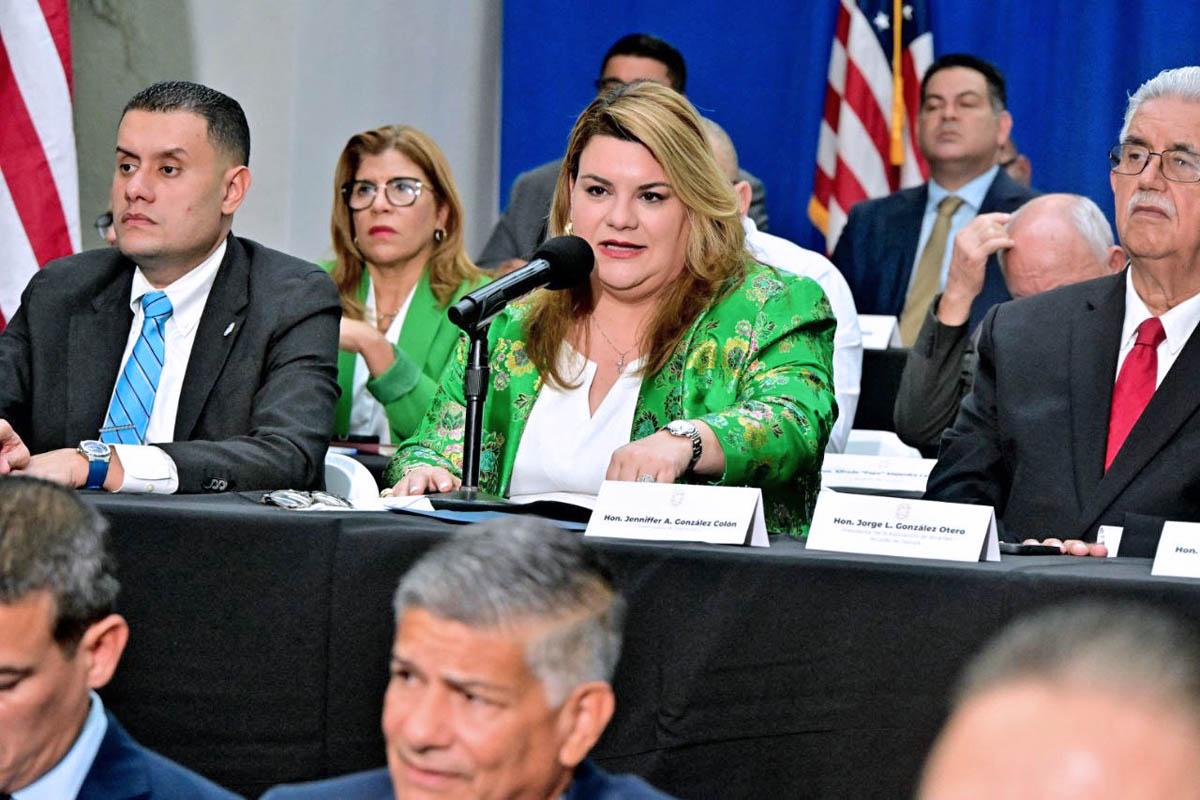
Gov. Jenniffer González’s veto of House Bill 420, which sought to freeze and eventually eliminate Puerto Rico’s inventory tax, has ignited an islandwide debate among political and business leaders.
The measure had gained rare bipartisan support in the legislature, but its rejection drew sharp criticism from the private sector and praise from municipal officials who warned of steep revenue losses.
“Puerto Rico lost today,” said José González, president of the Puerto Rico Retailers Association (ACDET, in Spanish).
“With this veto, the governor missed an opportunity to make history and stand with the people, despite the consensus of the heads of the House and Senate. This decision represents a setback in efforts to modernize the tax system,” he said.
Business leaders from several industries echoed the frustration. Mateo Cidre, president of Hecho en Puerto Rico, said the inventory tax “penalizes everyone: the citizen who can’t find essential products, the retailer who can’t plan and the island that can’t compete.”
United Retailers Association (CUD, in Spanish) President Ramón Barquín described the veto as “another example of political pressure prevailing over the island’s well-being,” while Carlos Budet of the Puerto Rico Restaurants Association (ASORE, in Spanish) said, “Politics won, Puerto Rico lost.”
Private-sector organizations argued that repealing the tax would have improved competitiveness and supply chain resilience, particularly during emergencies, and urged the creation of a fairer replacement system that protects municipalities.
Business groups reaffirmed their commitment to join upcoming working groups between the executive and legislative branches and mayors to “develop a fair, viable and responsible replacement solution.”
Governor defends her veto
González defended the decision, citing fiscal prudence.
“I believe that, as the measure is currently written, it’s impossible for me to sign it. I’m not going to rob Peter to pay Paul,” she said during a press conference at La Fortaleza, the governor’s executive mansion, after meeting with mayors.
She warned that approving the bill would have required identifying $314 million next year to replace lost municipal revenue that supports essential services.
The governor said she plans to refile the measure in its original form, without eliminating the tax, and has created a committee led by Secretary of State Rosachely Rivera Santana to explore alternative revenue sources.
Municipal legislatures from all parties had urged the veto, arguing the measure violated Act 107-2020, which protects municipal autonomy and local revenue streams.
Antonio Meléndez and Jannice Pérez-Figueroa, presidents of the Federation and Association of Municipal Legislators, said the bill “does not include a mechanism for revenue replacement” and would jeopardize fiscal stability, costing municipalities $314 million annually.
Their resolution, backed by both the Federation and the Association of Mayors and the Municipal Revenue Collection Center (CRIM, in Spanish) Mayors Board, argued that repealing the inventory tax without compensation “weakens municipal autonomy” and “jeopardizes the continuity of essential services for vulnerable communities.”
The document reaffirmed that municipalities are “the governmental entity closest to the people and the best interpreter of their needs and aspirations.”
ACDET’s González said the association “will continue working with determination and unity. Puerto Rico needs leaders who make decisions with a vision for the island, not with fear of losing political support.”