
AI reshapes jobs as skills shift across industries

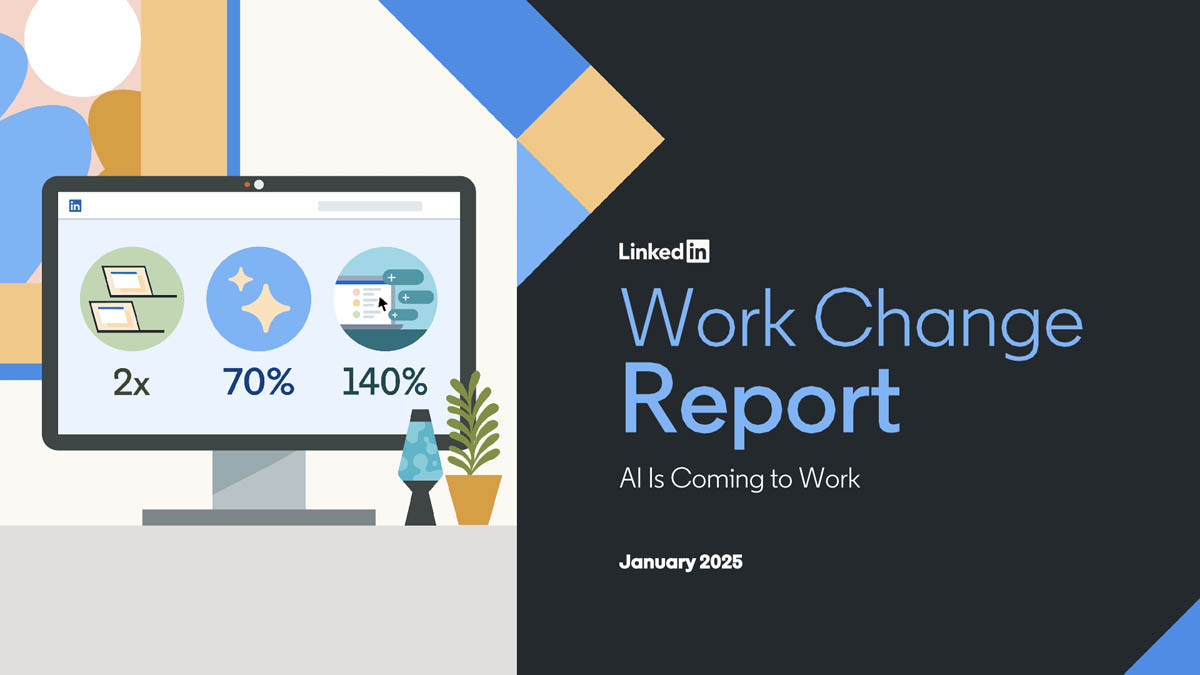
One in 10 of workers hired globally and one in five in the U.S. are in roles that did not exist 25 years ago, and 70% of the skills used in most jobs will change by 2030, according to a LinkedIn report.
Among these jobs are data analyst, data scientist, full-stack engineer, frontend developer, data engineer and web developer, as well as business development specialist, social media manager and relationship manager, LinkedIn indicated in its 2025 Work Change Report.
The job positions experiencing the most growth in the U.S. are artificial intelligence engineer, AI consultant, physical therapist, workforce development manager and travel adviser. Another emerging role is head of AI, with the number of workers holding this position increasing 50% in the U.S. over the past two years and expected to double within three to four years.
Likewise, in Puerto Rico, demand is high for cloud engineers, cybersecurity specialists, data scientists, full-stack developers, tech consultants and project managers, according to recent news and government reports.
Skills also are evolving
The skills required for many jobs also are shifting, even for those staying in the same role. LinkedIn found that 70% of the skills used in most jobs will undergo a transformation by 2030.
This trend is prompting job candidates and professionals to proactively adapt and upskill, with the number of nontech professionals using LinkedIn Learning to build AI skills rising 117% since 2023.
Over the past eight years, the hiring of AI talent has climbed more than 300% globally, and within overall hiring, AI-talent hiring has increased by 30% since fall 2024.
“Beyond demand for AI talent, we’re starting to see a rising demand for nontechnical professionals with proficiency in AI tools. The percent of jobs on LinkedIn listing an AI literacy skill increased more than six times over the past year,” LinkedIn said.
Both AI and human skills are must-haves
“Many new roles are being driven by AI, but beyond the software is humans’ ability to work in new ways with AI tools,” Vialys Rivera-Ruiz, director of client accounts at ManpowerGroup Puerto Rico, told News is my Business.
Indeed, AI literacy skills such as prompt engineering and proficiency with tools like ChatGPT are becoming increasingly important. Since 2023, the number of AI literacy skills added to LinkedIn member profiles has grown by 177% — nearly five times faster than the 36% increase across skills overall.
Static credentials and “one-and-done” learning are becoming a thing of the past, while the future is about building careers through continuous learning and upskilling, with AI leading the way, LinkedIn said. “Professionals can no longer ignore AI or assume it does not apply to their job. AI will be relevant to every job in the future and woven into most of our tasks,” it added.
Rivera-Ruiz pointed out that today’s companies and recruiters are looking at the skills candidates have and their ability and desire to continue developing professionally.
“That’s called learnability,” she said, “which enables them to adapt to employers’ needs and new trends. This is of great value to companies.”
As AI ramps up, human skills may matter the most in today’s workplace because many of the skills needed to understand and use AI tools are the same ones needed to remain competitive and succeed in the changing world of work, LinkedIn reported, noting that leaders and companies understand that AI is more powerful when humans lead it.
Consequently, today’s companies and recruiters are prioritizing soft skills such as communications, analytical skills, teamwork, problem-solving and customer service, while in 2018 they focused more on hard skills.
“Communication, for example, has consistently been one of the most sought-after skills by employers and was the number one most in-demand skill in 2024,” LinkedIn said.
The highly sought-after combination of AI and human skills is quickly becoming a key indicator of adaptability and growth mindset, but this talent remains elusive for many companies as human resources professionals struggle to find talent with the right mix of technical and soft skills, according to LinkedIn.


