
Bill would limit medical cannabis use for drivers in Puerto Rico

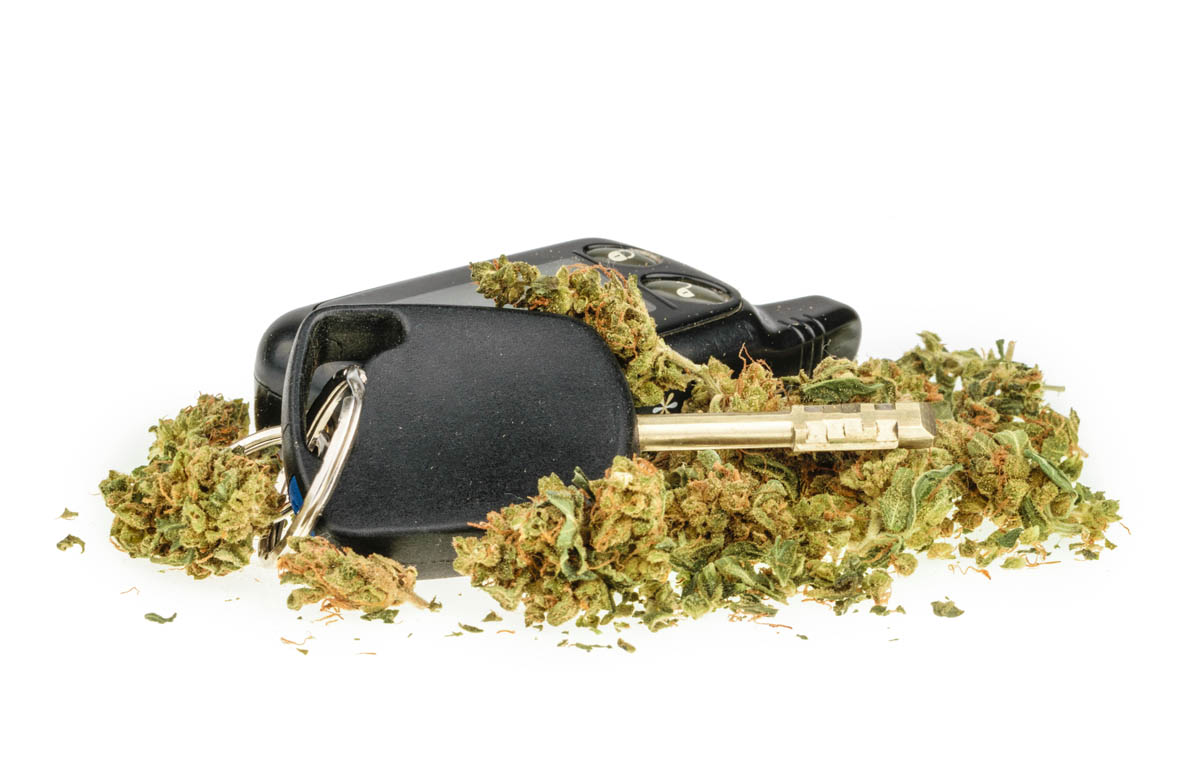
New Progressive Party Sen. Gregorio Matías-Rosario introduced Senate Bill 896, legislation that seeks to clarify and expand exceptions to employment protections under Puerto Rico’s Medicinal Cannabis Act for workers in safety-sensitive transportation jobs.
The measure proposes amending Article 24 of Act 42-2017 — formally titled the Act to Regulate the Study, Development, and Research of Cannabis for Innovation, Applicable Standards and Limits — to explicitly allow employers in the transportation sector to impose zero-tolerance rules on medical cannabis use for certain positions.
According to the bill, the amendment would add a new subparagraph enumerating safety-sensitive transportation duties and revise the statute’s interpretive language to reflect the expanded exception.
In the statement of motives, Matías-Rosario argues that while the Medicinal Act recognizes patients’ right to use medical cannabis and generally prohibits employment discrimination based solely on that use, the law already allows exceptions when consumption presents a real risk to people or property.
The senator contends that transportation occupations — including public and private passenger services, cargo transport and emergency response — require sustained attention, motor coordination and rapid reaction times. He argues that those functions may be impaired by cannabis consumption, even outside working hours, due to the persistence of THC metabolites in the body.
The bill cites international and federal authorities in support of the proposal. According to the European Monitoring Centre for Drugs and Drug Addiction, THC can acutely and chronically impair “cognitive and psychomotor functions” critical for driving, including reaction time, balance, visual processing and impulse control.
At the federal level, the measure notes that agencies such as the Federal Motor Carrier Safety Administration, the Federal Aviation Administration and the Pipeline and Hazardous Materials Safety Administration prohibit or strictly limit cannabis use for employees performing safety-sensitive duties, regardless of state-level legalization.
“These federal standards demonstrate that, in industries where safety is paramount, prohibiting cannabis use is a justified and necessary measure,” the bill states, adding that Puerto Rico should align its local framework with federal requirements to avoid endangering passengers, pedestrians and other road users.
Under Senate Bill 896, employers would not be required to extend Medicinal Act employment protections to registered patients who perform or seek to perform safety-sensitive transportation functions. The bill specifically lists truck and heavy-vehicle drivers, school bus drivers, taxi drivers and drivers providing transportation services through digital platforms or mobile applications.
The proposal further argues that existing traffic prohibitions — such as those barring the operation or physical control of a motor vehicle under the influence — are insufficient because they do not prevent authorized medical cannabis users from operating vehicles in transportation roles. The bill says the amendment would provide employers with clearer authority to impose preventive restrictions for designated positions.
While emphasizing continued support for the rights of medical cannabis patients in the workforce, the legislation maintains that those protections should not override public safety considerations in high-risk occupations.


