Port security: Beyond theories, reality demands technical capability

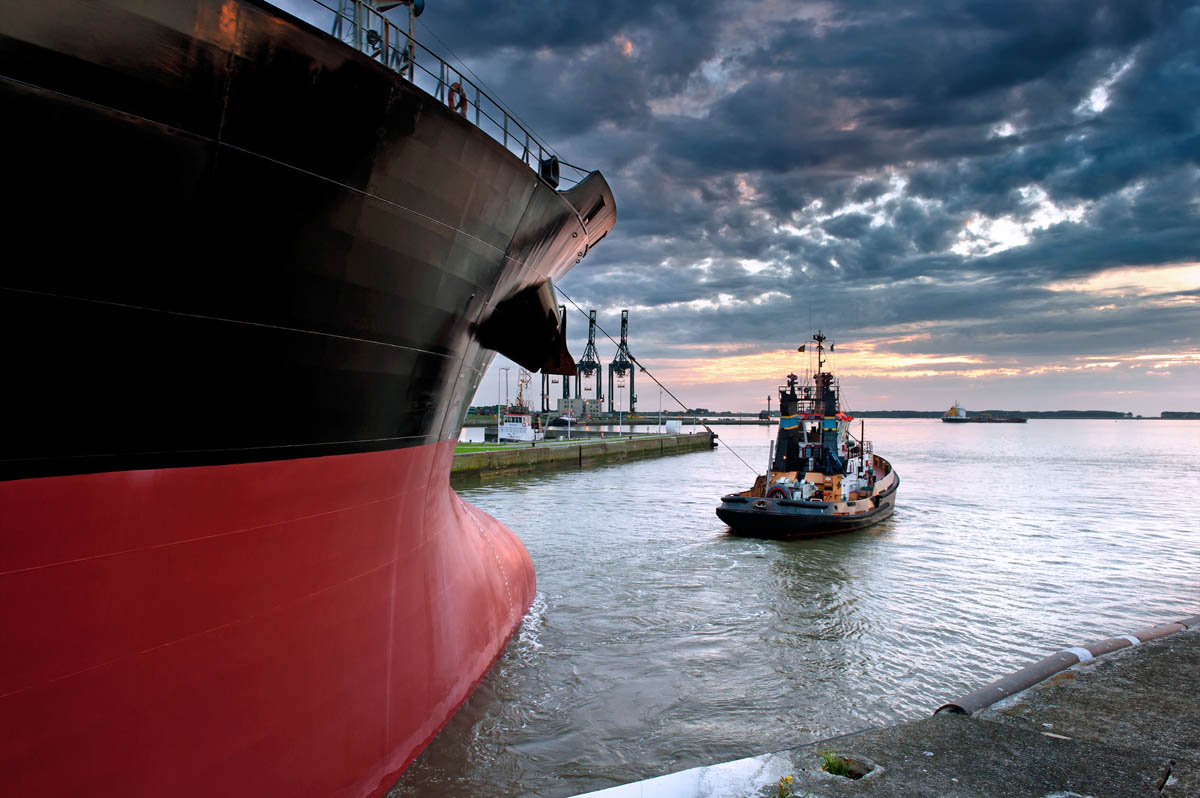
In recent days, analyses have emerged regarding the operations of the Port of San Juan, presented with elaborate prose and admirable confidence by voices external to the nautical profession.
These contributions are welcomed, though they rely more on administrative impressions than on direct operational experience. Among their assertions is the idea that safety can be maintained by reducing capabilities and relying solely on human coordination. The theory is attractive; the practice, far more complex.
We agree that maneuvers require calibrated use of power. That principle is not new — it is the very foundation of professional maritime work. But turning it into an argument for diminishing the importance of available power — especially in a narrow, windy port with varied traffic — reflects an incomplete understanding of risk.
Coordination is essential, yes, but in no critical system does it replace the minimum capacity required to respond to the unexpected.
In navigation, as in aviation or energy, safety is not measured by the power used under ideal conditions, but by the power available when those conditions change or when unexpected events arise — such as the loss of a tugboat or a mechanical failure aboard the assisted vessel.
These situations are not “unforeseen”; they are anticipated and planned for. This requires power availability in reserve. Calling that technical reserve “excess” diminishes its purpose and overlooks the fact that emergencies do not follow scripts nor depend on averages. A tugboat limited in power does not promote coordination — it imposes constraints.
It is also worth remembering that port safety requires a clear distinction between technical criteria and commercial considerations. Tug companies and shipping associations — whose roles legitimately focus on efficiency and cost — do not always share the responsibility or the operational demands of the most complex maneuvers.
This is why, in any high-standard port, administrative or economic perspectives are prevented from unduly influencing capacity levels or the diversity of services required to maintain a truly safe system. A country’s critical infrastructure cannot depend on interpretations that — even unintentionally — reduce the technical plurality that safety demands.
Port safety is not upheld by metaphors or literary optimism. It is upheld by technical rigor, sufficient capacity and the humility to recognize that, at sea, the “extra” power is often the one that prevents the incident that never reaches the news.
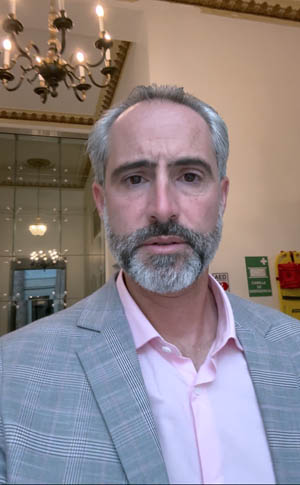
Capt. Tomás Busto-Álvarez of the San Juan Bay Pilots