
Puerto Rico cooperatives close ’25 strong, brace for ’26
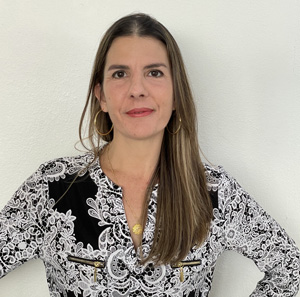

Economist Heriberto Martínez, executive director of the Liga de Cooperativas de Puerto Rico, said the island’s cooperative movement is closing 2025 with solid financial results while preparing for a more complex economic environment in 2026.
Martínez, who assumed the role in October 2023, said the Liga operates as a third-level organization within Puerto Rico’s cooperative system, coordinating, educating, representing and advocating for the sector.
At the base of the system are first-degree cooperatives, which account for about 98% of all cooperatives in Puerto Rico. These include savings and credit cooperatives, energy cooperatives, pharmaceutical cooperatives such as Coopharma, laboratories and other member-owned entities in which individuals are the owners.
“These base cooperatives, in turn, create second-degree cooperatives, where the owners are other cooperatives,” Martínez said.
Puerto Rico has three second-degree cooperatives: Grupo Cooperativo Seguros Múltiples, Cooperativa de Seguros de Vida and Banco Cooperativo de Puerto Rico, which serves as the correspondent bank for the cooperative sector.
Together, first- and second-degree cooperatives form the Liga de Cooperativas, which Martínez described as comparable to a cooperative confederation in the United States and Latin America. The Liga has operated for 78 years, represents nearly all cooperatives on the island and has a legally established role within Puerto Rico’s economic framework.
Liquidity and migration pressures
Beyond its statutory responsibilities, Martínez said the Liga aims to provide cooperatives with direct economic analysis of the environment in which they operate. In recent weeks, he addressed executive presidents and board members of savings and credit cooperatives at a conference of the Consejo Norte, where he warned of increasing economic uncertainty heading into 2026.
“We are operating in an environment that will become more complicated,” Martínez said. “That means making adjustments in economic planning, protecting liquidity and closely monitoring factors such as employment trends and their impact on loan delinquency.”
He also pointed to a growing number of cooperative transactions involving members living in the mainland United States. Martínez said many Puerto Rican cooperative members now reside stateside but maintain active accounts on the island for family support, inheritance matters and elder care.
“This represents an opportunity for Puerto Rican cooperativism,” he said. “There is a significant population of Puerto Ricans in the U.S. [mainland] who are not fully disconnected from their economic ties to Puerto Rico.”
Exploring external markets, particularly in the mainland U.S., could become a strategic focus for the cooperative movement as migration patterns and broader economic conditions continue to reshape financial behavior, Martínez said.
He added that one of his priorities since joining the Liga has been strengthening its role as an economic reference point for the sector. Drawing on his previous experience leading the Economists Association and serving as executive director of the Senate Treasury Committee, Martínez said there was strong interest in having in-house economic expertise to support decision-making throughout the cooperative system.
As of the end of 2025, the savings and credit cooperative movement reported consolidated assets of about $12.5 billion, highlighting its continued relevance within Puerto Rico’s financial system.


