
San Juan transfers former jail to Center for Advanced Studies

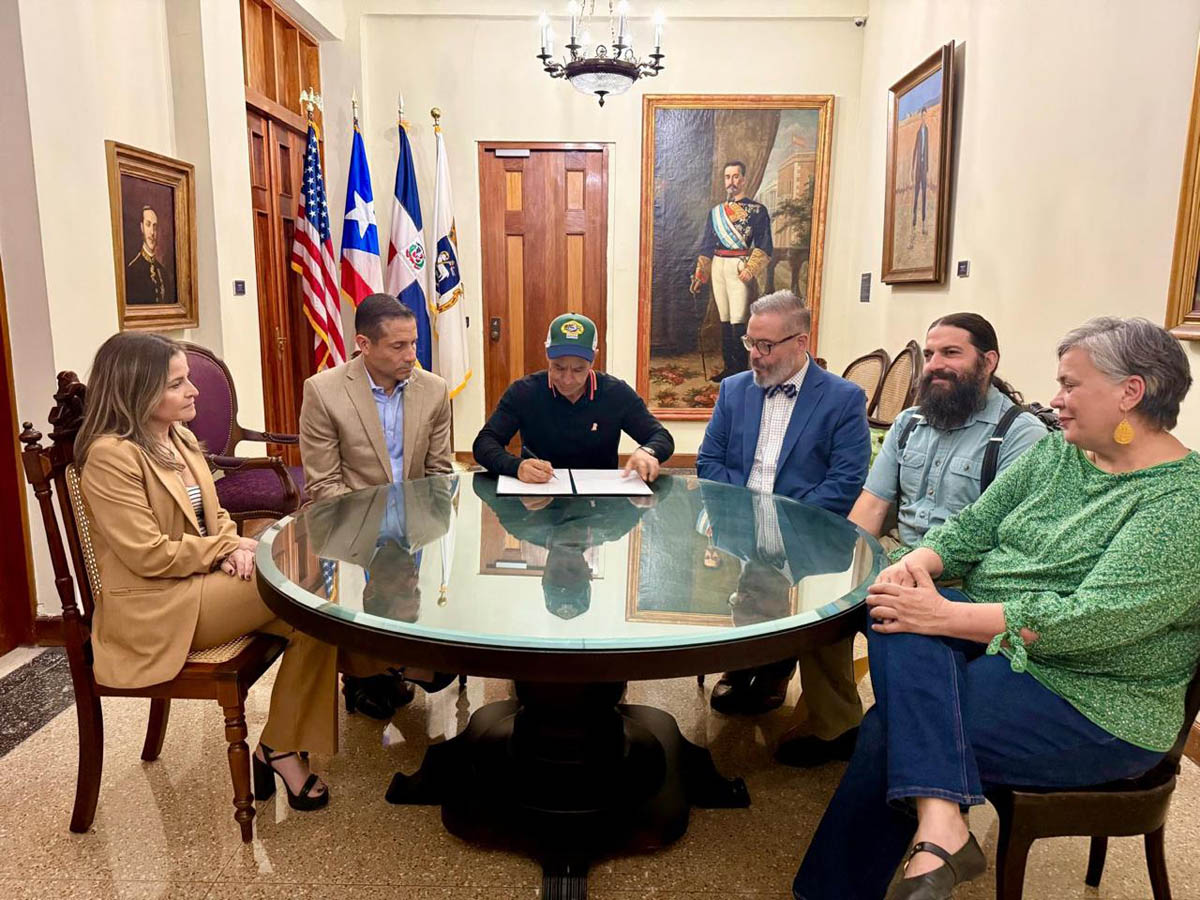
The Center for Advanced Studies on Puerto Rico and the Caribbean (CEAPRC) has secured a new headquarters in Puerta de Tierra after the Municipality of San Juan transferred ownership of the former municipal jail to the institution.
The deed, granted for the symbolic value of $1, represents what the academic center called a “momentous step toward stabilizing its operations and academic offerings.”
The transfer, authorized under Ordinance No. 19 (Series 2025-2026), comes as the center approaches its 50th anniversary and prepares to occupy its first permanent home.
Representatives for the center said the new space will strengthen its governance, graduate programs in the humanities and long-term institutional planning. Its waterfront location at San Juan harbor places it near cultural, scientific and diplomatic institutions, creating opportunities for collaborations and engagement with the surrounding community.
According to the ordinance, the municipal administration “recognizes and promotes the development of entities with educational, scientific and cultural purposes that contribute to the heritage and the values that distinguish our people.”
Mayor Miguel A. Romero said the decision reflects the city’s support of an institution that has shaped scholarship for decades.
“We’re proud to support an institution that for decades has contributed to the knowledge and cultural enrichment of Puerto Rico,” he said. “This transfer not only honors its history but also secures its future as an academic benchmark and research center for generations to come.”
Board of trustees Chair Reynaldo Alegría said the transformation of the 1939 Art Deco structure aligns with the center’s mission.
“Transforming a former jail into a space for knowledge and intellectual freedom symbolizes our mission and renews our commitment to the country, our diaspora and the Caribbean region,” he said.
The center plans to launch a capital campaign to refurbish the historic building and adapt it for academic use. At the same time, the board of trustees is evaluating 17 candidates for the position of chancellor, a selection that will guide a broader restructuring of institutional management and deanships.
These efforts complement ongoing processes to defend accreditation before the Middle States Commission on Higher Education.


