NSF-backed program brings DNA research to Puerto Rico schools

Arecibo C3 is expanding science education access with the launch of Barcode Puerto Rico, a program that brings DNA research into high school classrooms.
Backed by support from the National Science Foundation, the initiative is intended to give students hands-on experience with DNA barcoding, the same technology used in global research labs.
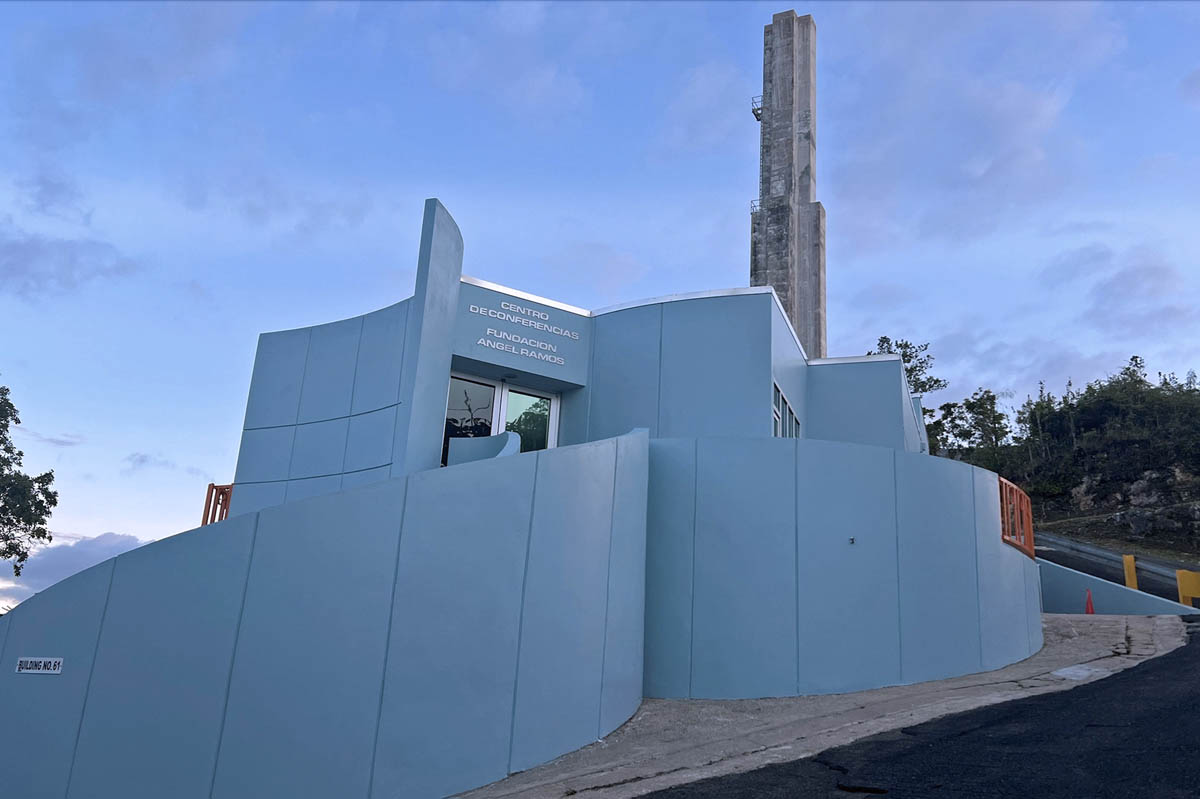
Based at the historic Arecibo Observatory, Arecibo C3 works with university partners and scientific institutions to strengthen Puerto Rico’s STEM training pipeline through education, workforce initiatives and community engagement.
The effort will begin with training 15 teachers in 2025, followed by the first student cohort during the 2025–2026 academic year. Through the program, students who may not have had access to laboratory settings will learn to identify species using genetic sequencing and contribute data to biodiversity research.
“Modeled after the Barcode Long Island initiative and adapted to Puerto Rico’s unique ecosystems and communities, the program launched this fall with two intensive workshops for teachers from 11 schools across the island,” said Jason Williams, Arecibo C3 project leader and principal investigator.
He said more than 60 high school students will develop biodiversity research projects that may include studying plant life or documenting species on school grounds, producing DNA sequences that feed into global databases used by scientists and conservationists.
Throughout the school year, teachers will guide students through each phase of the research process, from drafting proposals and collecting samples to performing DNA extractions and analyzing sequences with bioinformatics tools.
Monthly meetings with Arecibo C3 mentors will help schools stay aligned and resolve technical challenges as they arise.
“Their findings will be presented at a Student Research Symposium in Spring 2026 at the Arecibo C3 STEM Center, where students will share their discoveries with scientists, families and the community,” Williams said.
He emphasized the program’s broader impact. “Most of these students have never set foot in a biotechnology lab. When they realize they are doing the same kind of research happening inside universities, their vision of what’s possible for their future completely expands.”