
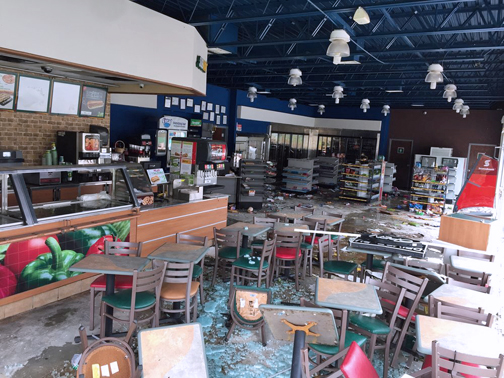
Study: Hurricane María unmasks PR’s poverty, whose face is female
December 19, 2017
When Hurricane María hit Puerto Rico it uncovered the poverty that exists in the island, which makes it the poorest United States jurisdiction.
chat_bubble0 Comment
visibility2335 Views

1st phase of PR government’s ‘Assets Map’ unveiled
December 15, 2017
The Puerto Rico government's main economic development agency unveiled Thursday the first phase of the Asset Map, created to attract new investment, create jobs and promote economic development in different regions of the island.
chat_bubble0 Comment
visibility2258 Views
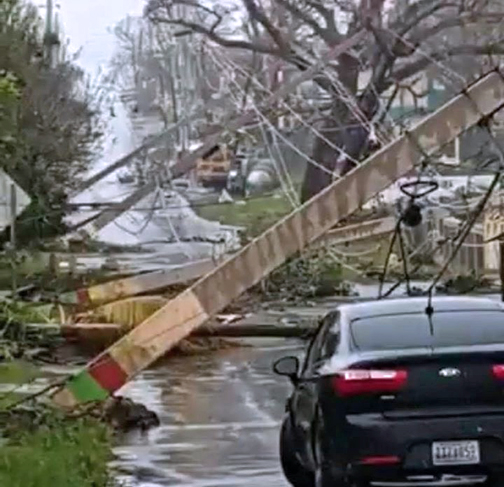
Economic firm: Hurricanes revealed PR’s ‘broken’ infrastructure
November 24, 2017
Hurricanes Irma and María — which clobbered Puerto Rico back-to-back in September — revealed the island’s broken infrastructure, but created a second chance to rebuild, an analysis by economic research firm H. Calero Consulting concluded.
chat_bubble0 Comment
visibility1892 Views
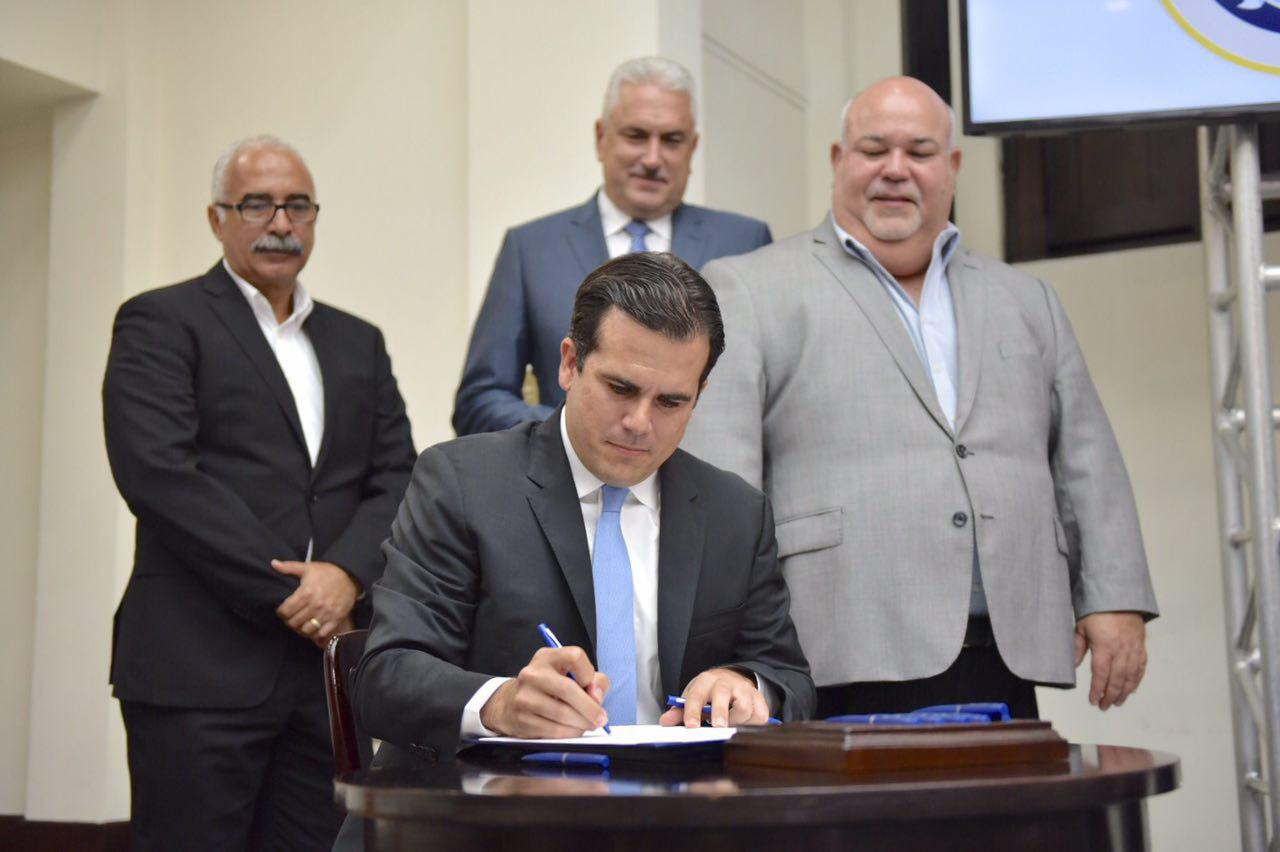
Gov. gives small businesses 5-week sales tax hiatus
November 9, 2017
Puerto Rico Gov. Ricardo Rosselló signed several executive orders to boost the economy, including one that exempts small and medium enterprises from collecting Sales and Use Tax on the sale and purchase of inventory.
chat_bubble0 Comment
visibility2434 Views
At AEI panel, economists debate PR’s post-María future
November 8, 2017
Seven weeks after Hurricane María devastated Puerto Rico, most of its 3.4 million inhabitants still don’t have electricity. And the island’s deeply indebted economy — already in crisis before the storm — is in worse shape than ever, warned a panel of economists meeting Tuesday afternoon in Washington.
chat_bubble4 Comments
visibility3517 Views
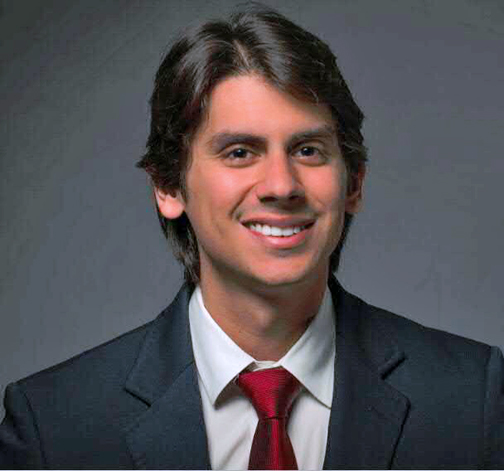
Op-Ed: Hurricane María has shifted our entire focus
October 1, 2017
Today, days after the monstrous storm, Hurricane María, slammed into our shores with sustained winds of 155 miles per hour, our entire focus has shifted.
chat_bubble2 Comments
visibility8665 Views

Moody’s: PR’s fragile economy faces new risks post-María
September 26, 2017
The Commonwealth of Puerto Rico is facing new risks and economic uncertainty following the devastation caused by Hurricane Maria last week, Moody’s Investors Service concluded in a report released Tuesday.
chat_bubble0 Comment
visibility2331 Views
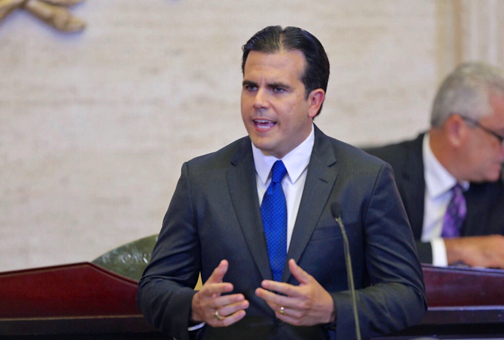
Rosselló creates last subgroup in ‘Front for Puerto Rico’
August 28, 2017
Gov. Ricardo Rosselló announced the creation of the third and final sub-working group as part of the Front for Puerto Rico to address the federal tax reform and how these changes may affect the Island, La Fortaleza announced.
chat_bubble0 Comment
visibility2530 Views
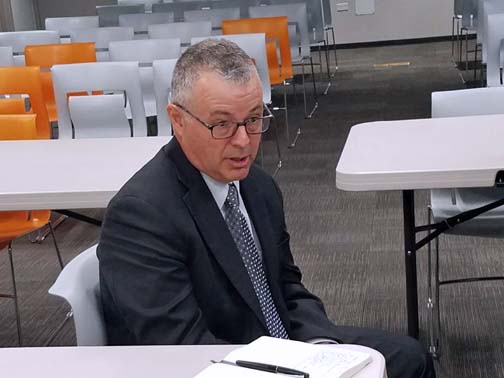
OBoard opens call for critical infrastructure projects
August 24, 2017
The Financial Oversight and Management Board for Puerto Rico announced Wednesday it will begin accepting proposals for projects that address critical infrastructure needs under Title V of the Puerto Rico Oversight, Management and Economic Stability Act.
chat_bubble0 Comment
visibility3329 Views
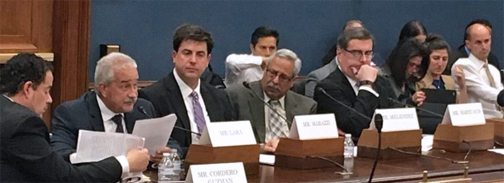
US Rep. Velázquez releases report on PR’s economy
August 9, 2017
Rep. Nydia M. Velázquez (D-NY) released Tuesday a report titled, “A Discussion on the Future of Puerto Rico’s Economy.”
chat_bubble0 Comment
visibility1689 Views

Foundation for PR to develop 1st visitor economy profile
July 24, 2017
The Foundation for Puerto Rico and Estudios Técnicos will work together to develop the first economic model of the island’s visitor economy, which is expected to be ready by September.
chat_bubble0 Comment
visibility2423 Views
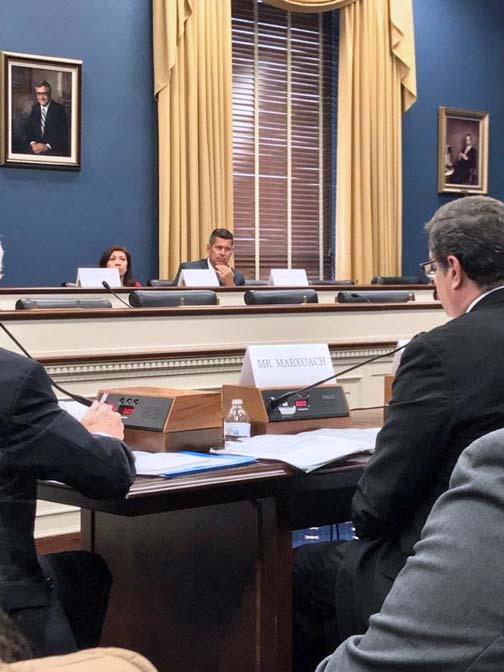
Velázquez, experts discuss ways to spur PR’s recovery
July 19, 2017
U.S. Rep. Nydia M. Velázquez (D-NY) hosted Tuesday a panel of experts and other members of Congress for a roundtable discussion on unlocking the keys to stimulating economic growth in Puerto Rico.
chat_bubble0 Comment
visibility2741 Views
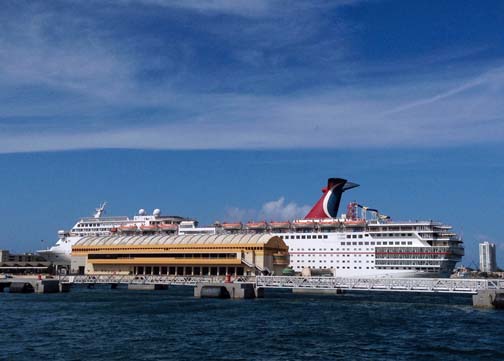
Tourism: Cruise passenger arrivals up 47% YOY in May
June 30, 2017
Record highs were recorded in total cruise ship passenger traffic in May, with 95,139 visitors arriving, representing a 47 percent jump from the 64,632 passengers reported in May 2016, Tourism Co. Executive Director José Izquierdo said.
chat_bubble0 Comment
visibility2645 Views
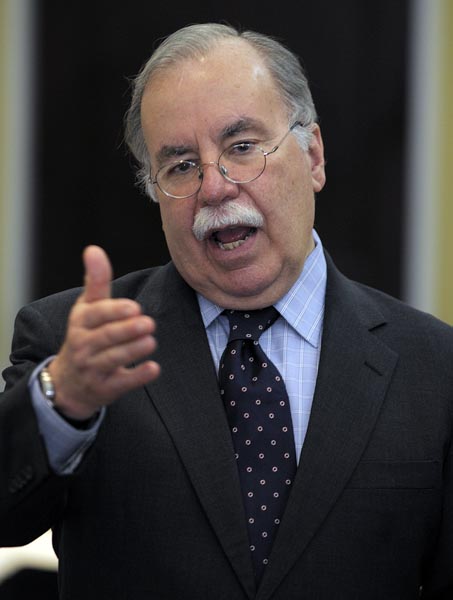
Op-Ed: It’s not just PROMESA…
June 13, 2017
In Puerto Rico we have focused so much on the Puerto Rico Oversight, Management and Economic Stability Act (PROMESA) that we seem to have forgotten that we are part of a much larger economy beyond our 100x35 and that what happens there has an impact on us.
chat_bubble0 Comment
visibility2743 Views
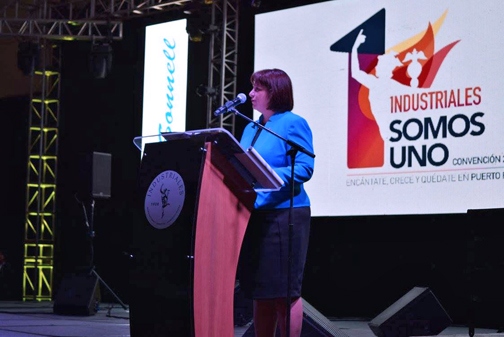
Jaresko urges manufacturers to ‘be part of the solution’
June 2, 2017
Financial Oversight and Management Board for Puerto Rico Executive Director Natalie A. Jaresko urged local manufacturers to be an “active part of the island’s turnaround."
chat_bubble0 Comment
visibility2348 Views

A Dow Jones/Factiva content provider since 2014

Subscribe to our Dollars & Sense podcast!

NIMB ON SOCIAL MEDIA