

Op-Ed: PREPA keeps relying on expensive consultants, IEEFA says
December 26, 2018
The Puerto Rico Electric Power Authority’s overreliance on outside advisors continues to undercut its ability to invest in the people needed in Puerto Rico.
chat_bubble0 Comment
visibility1462 Views
Op-Ed: IEEFA Puerto Rico says massive liquefied natural gas project dead
December 4, 2018
Last week, Excelerate Energy, the company that planned to develop a natural gas import terminal in Puerto Rico, requested that the Federal Energy Regulatory withdraw its authorization for the project.
chat_bubble0 Comment
visibility1721 Views

P3 Authority opens call for RFQs to manage P.R.’s electric power system transformation
November 1, 2018
The P3 Authority and PREPA wish to enter into a public-private partnership with a private sector partner to deliver low-cost electricity to island customers.
chat_bubble0 Comment
visibility2416 Views

IEEFA: P.R. energy bill is ‘limp gesture’ toward true reform
October 29, 2018
The proposal is consistent with the Puerto Rico Electric Power Authority’s fiscal plan, which reduces the fossil fuel budget by $400 million to $500 million per year to bring the utility out of bankruptcy.
chat_bubble0 Comment
visibility1589 Views
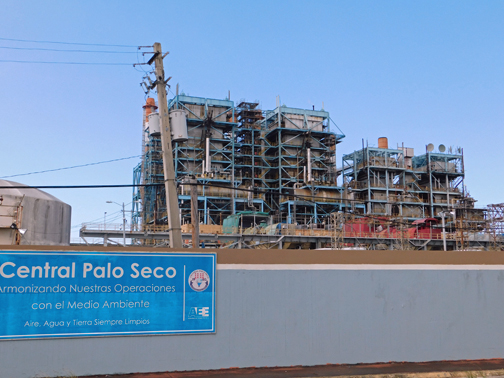
Op-Ed: The unsustainable debt deal that won’t die
October 10, 2018
If the measure of success of a debt settlement is that it offers realistic payouts to bondholders while allowing the debtor the ability to emerge as a going concern, then it’s time to forget about this deal.
chat_bubble0 Comment
visibility2152 Views

‘We Want Sun’ report outlines path forward on Puerto Rican electricity policy
October 4, 2018
The report “Queremos Sol” (“We Want Sun”) outlines a power-system transformation that would place sustainability and self-sufficiency ahead of dependency on imported fossil fuels.
chat_bubble0 Comment
visibility2398 Views
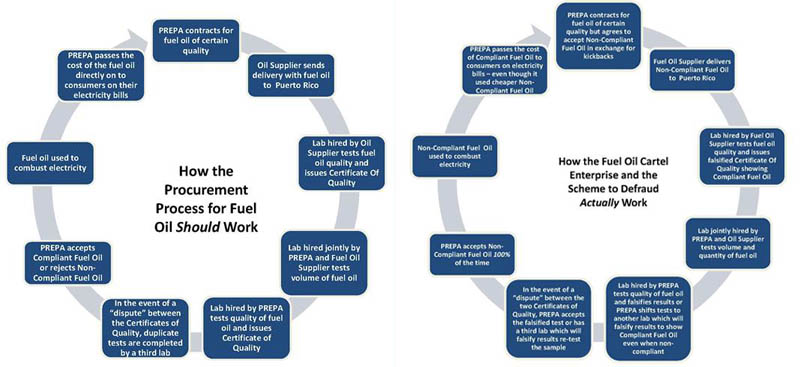
U.S. district judge certifies class of P.R. residents suing PREPA for fuel overcharges
October 3, 2018
In the original lawsuit filed Feb. 24, 2015, the plaintiffs sought compensation for their estimated $1 billion losses in electricity overcharges.
chat_bubble2 Comments
visibility3233 Views
Op-Ed: IEEFA — P.R. in ‘perilous rush’ to natural gas dependency
September 19, 2018
The Institute for Energy Economics and Financial Analysis is urging the Financial Oversight and Management Board for Puerto Rico to halt the rush to natural gas infrastructure development in Puerto Rico.
chat_bubble1 Comment
visibility2452 Views
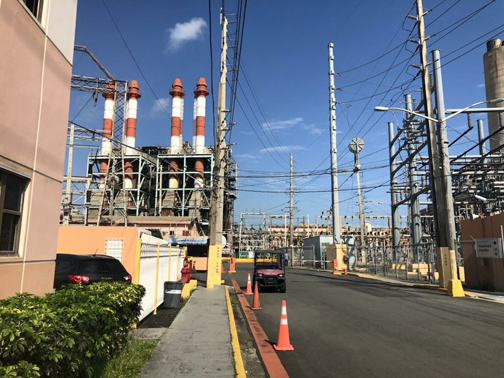
Trade groups demand consumer representation on PREPA board
September 18, 2018
Several of the island’s professional trade organizations expressed concern over the delay in the appointment of the consumer representative to the Puerto Rico Electric Power Authority’s board.
chat_bubble0 Comment
visibility2738 Views

Op-Ed: IEEFA — Rampant political hiring at PREPA only makes matters worse
September 17, 2018
The Kobre & Kim report on Puerto Rico’s debt crisis shines a light on the corrosive impact of political hiring at various governmental agencies on the island, including at its public electric utility.
chat_bubble1 Comment
visibility1873 Views
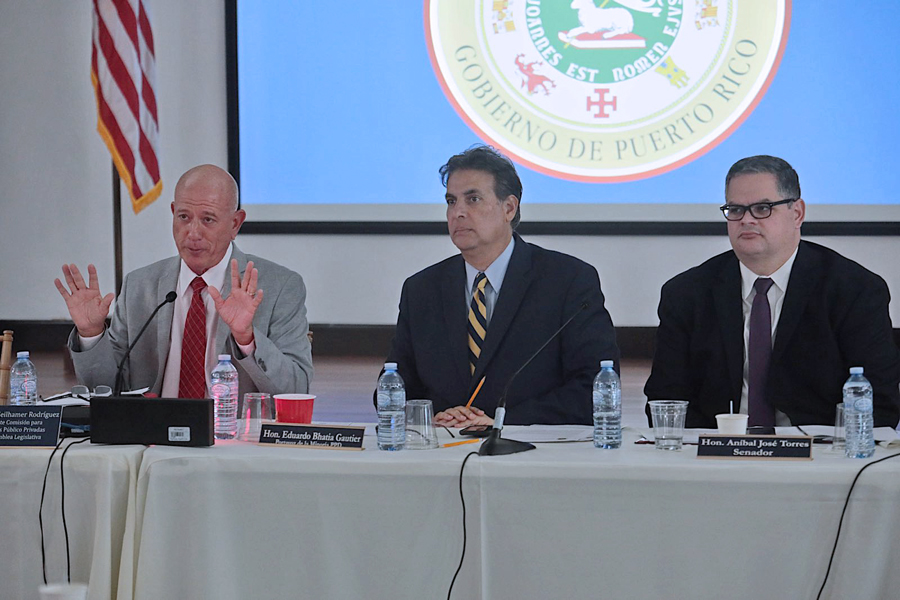
P.R. Senate runs marathon hearing to gather input for PREPA transformation
August 31, 2018
Breaking from following the usual pattern of filing a bill, then holding public hearings, Committee Chairman Larry Seilhamer and Sen. Eduardo Bhatia heard expert recommendations to then submit the draft regulatory framework.
chat_bubble0 Comment
visibility2262 Views
IEEFA: P.R. regulators must move renewable energy roadblocks for market redesign to succeed
August 31, 2018
Puerto Rico has a historic opportunity to rebuild its electrical system and phase out its obsolete oil-fired generation in favor of a much more decentralized and reliable system based on renewable energy.
chat_bubble0 Comment
visibility1871 Views

FEMA OKs $110M in additional funds for PREPA, Central Recovery Office
August 23, 2018
To date, the FEMA Public Assistance program has obligated more than $3.4 billion in total funding to the government of Puerto Rico and municipalities, the federal agency stated.
chat_bubble0 Comment
visibility1624 Views

Op-Ed: Plan to turn to imported natural gas will cost Puerto Rico dearly
August 20, 2018
A series of announcements over the past couple of weeks by Puerto Rican officials signals a new — and misguided — push for greater reliance on imported natural gas for electricity production.
chat_bubble1 Comment
visibility2219 Views
OBoard adopts new policies to handle certain gov’t transactions
August 8, 2018
The Financial Oversight and Management Board for Puerto Rico announced the adoption of two new policies to “foster accountability, transparency and efficient dealing” in certain government transactions and public projects.
chat_bubble0 Comment
visibility2059 Views

A Dow Jones/Factiva content provider since 2014

Subscribe to our Dollars & Sense podcast!

NIMB ON SOCIAL MEDIA