
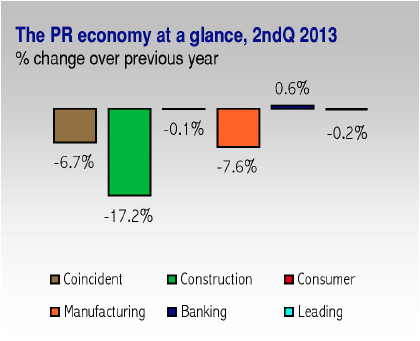
Puerto Rico’s economic woes ‘hollowed out’ middle class
August 5, 2013
The economic transition that Puerto Rico has been going through for the past seven years has been “extremely painful” for many, as “employment trends have polarized the workforce and hollowed out the middle class,” according to the most recent edition of “Compass,” a publication by Heidie Calero Consulting Group.
chat_bubble0 Comment
visibility4089 Views
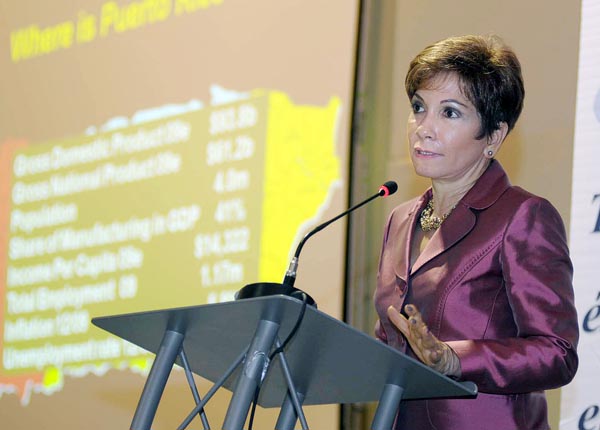
New taxes could reduce Puerto Rico’s real growth by 3.3%, slash 30K jobs in 2 yrs.
July 30, 2013
Preliminary analysis conducted by economic analysis firm Heidie Calero Consulting Group suggests the impact of new taxes implemented in Puerto Rico this month could lead to a reduction of 3.3 percent real growth during the next two fiscal years with a loss of up to 30,000 jobs.
chat_bubble0 Comment
visibility2954 Views

FirstBank hosts educational seminar in Ponce
July 1, 2013
A group of entrepreneurs who own small- and mid-sized businesses in Ponce recently took part in a seminar hosted by FirstBank Puerto Rico, marking the start of the second phase of an educational program launched last year to provide financial literacy tools to that sector. Economist Gustavo Vélez offered the seminar entitled “Economic trends for […]
chat_bubble0 Comment
visibility2971 Views

Op-Ed: Against the Jones Act
June 28, 2013
A recent study by the firm Estudios Técnicos, paid by Jones Act shippers, purports to show the benefits for Puerto Rico of the Jones Act. The federal law requires all goods transported by water between U.S. ports be carried in U.S.-flag ships, built in the U.S. and crewed by U.S. citizens and permanent residents. The analysis, as described by a local business publication, makes for sad reading.
chat_bubble1 Comment
visibility4650 Views
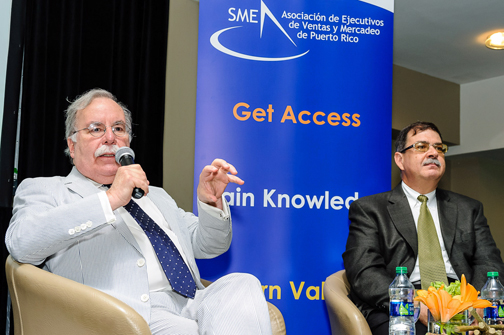
Experts: Puerto Rico’s problems rooted in gov’t inability to change
June 27, 2013
Puerto Rico’s current economic situation is deep-rooted in the government’s inability to understand the gravity of the problem and the outcome of doing the same things over and over again, while expecting different results.
chat_bubble3 Comments
visibility6190 Views

Wendy’s Puerto Rico buys $12M in local goods annually
June 25, 2013
In its quest for freshness and to uphold high quality standards, Puerto Rico’s Wendy’s franchisee invests about $12 million a year in goods from local farmers and producers.
chat_bubble0 Comment
visibility12052 Views

26 trade groups seek inclusion to solve fiscal problems
June 18, 2013
Representatives from 26 professional organizations from a cross-section of Puerto Rico’s economy, as well as thousands of businesses and workers, on Monday asked Gov. Alejandro García-Padilla and his administration for “transparency” and inclusion in the decision-making process to find solutions to the island’s precarious fiscal situation.
chat_bubble1 Comment
visibility3202 Views

Senators file bill to promote ‘creative industries’
June 12, 2013
Senators Ramón Luis Nieves and José Nadal-Power announced Tuesday the filing of Bill 655 to promote "creative industries" in Puerto Rico, as a means of creating jobs and wealth.
chat_bubble0 Comment
visibility5023 Views

CNE: Puerto Rico ‘failing to face new reality’
June 6, 2013
Puerto Rico may have reached the limits of sustainable growth within its current institutional framework and its leaders must find the political will to make profound changes to the socio-economic structure to pull out of the seemingly unstoppable downward spiral the island is on and insert it squarely into the new globalized economy.
chat_bubble1 Comment
visibility4780 Views
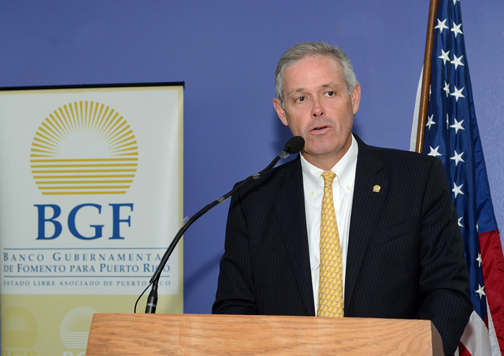
GDB kicks off 11th finance, economy institute
June 4, 2013
Government Development Bank President Javier Ferrer announced Monday the start of the 11th José M. Berrocal Finance and Economy Institute internship program, with the participation of 30 college students attending Puerto Rico and stateside universities.
chat_bubble0 Comment
visibility3351 Views
Villamil: Eliminating ‘B2B’ tax exemption ‘bad idea’
May 10, 2013
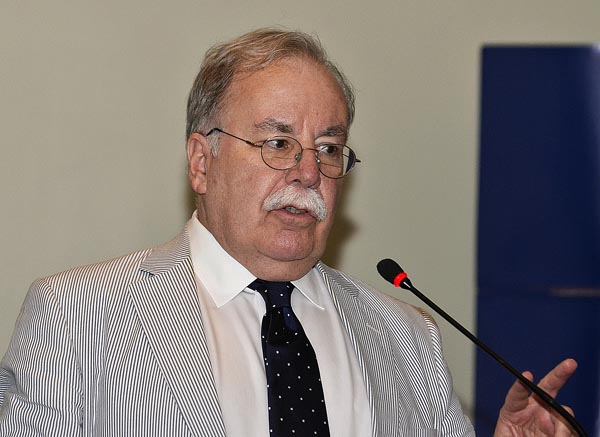
The Puerto Rican government’s proposal to eliminate the business-to-business sales tax exemption is not a good idea and does not guarantee the $800 million in new revenue Gov. García-Padilla’s administration has predicted, because oversight and collections related to these transactions is a difficult task to achieve, Economist José J. Villamil said Thursday.
chat_bubble0 Comment
visibility3288 Views
PRMA ‘seeking solutions’ at its annual convention
May 8, 2013
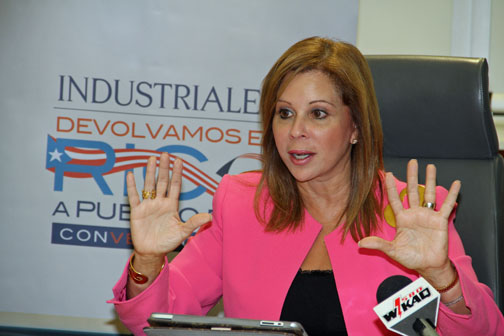
The Puerto Rico Manufacturers Association is preparing to mark its 85th anniversary during this year’s annual convention, when it will focus on ramping up its search for solutions to the island’s development and competitiveness challenges.
chat_bubble0 Comment
visibility2754 Views
Statistics Institute submits $1.2M budget for fiscal ’14
May 2, 2013
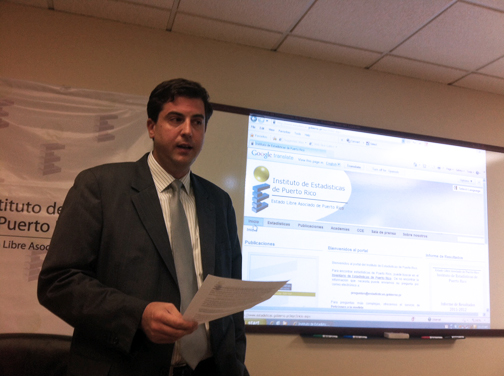
Puerto Rico Statistics Institute Executive Director Mario Marazzi asked the Legislature to assign the agency a budget of a little more than $1.2 million for fiscal 2014, when it has set out to undertake 25 projects to expand and improve information databases.
chat_bubble1 Comment
visibility3015 Views
Agencies list economic development initiatives launched since Jan.
April 24, 2013
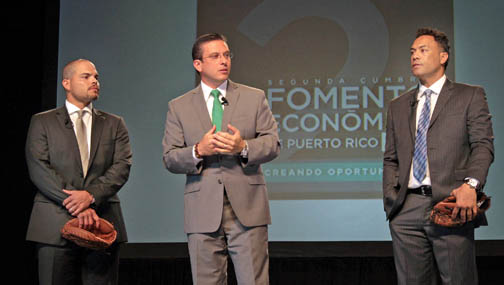
The second Economic Development Summit took place at the Puerto Rico Convention Center Tuesday, when members of Gov. Alejandro García-Padilla’s economic team summarized what agencies have been up to since January to further the administration’s agenda to spur private-sector jobs and activity.
chat_bubble2 Comments
visibility3594 Views
Economist: Puerto Rico needs $10B-a-year push
April 22, 2013
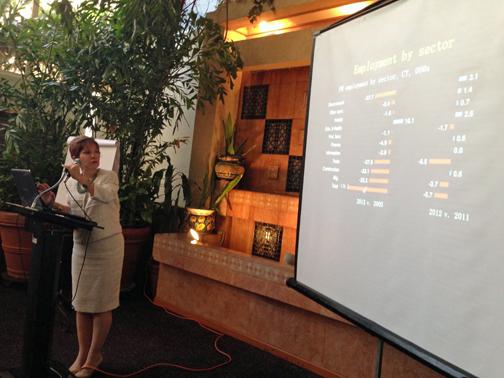
Puerto Rico’s economy will need about $10 billion in new investments over the next three years to grow by at least 3.3 percent annually and find its way back to more prosperous pre-recession levels. In the absence of such an unlikely windfall, it will take more than a decade to circle back to acceptable levels of progress.
chat_bubble3 Comments
visibility5763 Views

A Dow Jones/Factiva content provider since 2014

Subscribe to our Dollars & Sense podcast!

NIMB ON SOCIAL MEDIA